If your hands are slipping on the bar before your muscles give out, you're not alone. Sweaty hands can make pull-ups, deadlifts, kettlebells, racquet sports and even holding your phone harder. BAD specifically mentions problems with racquet sports for people whose hands sweat a lot. The fixes below start with your next workout.
This guide is desk research, not a test report. It covers quick tricks you can use in your next session, then the longer-term options, and when it's worth talking to a GP.
Is it normal sweating or palmar hyperhidrosis?
The NHS says it's normal to sweat if you get hot or do exercise. You may be sweating excessively if it happens when your body doesn't need to cool down. Think clammy hands in the changing room before you've warmed up, or damp hands at a desk on a cold day.
Palmar hyperhidrosis is the medical name for excessive sweating of the palms. If that sounds familiar, the tips below will still help with grip. It's also worth reading our complete guide to hand sweating and how to stop sweaty hands.
Quick grip fixes for your next workout
Advertising disclosure: product links on this page go to Amazon UK and may earn us a commission at no extra cost to you. This doesn't change which products we mention. See our disclosure.
Chalk
Gym chalk (magnesium carbonate) absorbs moisture from your skin and adds friction on the bar. It's the classic fix in weightlifting, climbing and gymnastics.
- Block or loose chalk is fast to top up, but messy. Some commercial clubs restrict it, so check before you bring a bag.
- Chalk balls (chalk in a mesh bag) cut the mess and are often allowed where loose chalk isn't.
When applying chalk, a small amount rubbed into your hands and fingers usually goes further than a thick layer. Re-chalk between sets rather than piling it on at the start.
Liquid chalk
Liquid chalk is chalk suspended in a quick-drying liquid. You rub it in, it dries in seconds, and it leaves a thin layer that lasts longer than loose chalk with less mess. That's why many places that ban loose chalk allow it.
Most liquid chalks use alcohol to dry quickly, so they can sting broken or cracked skin and may leave you with dry hands over time. Avoid putting them on cuts or a torn callus, and moisturise after training if your skin gets sore.
Gloves and grip pads
Gloves or palm grip pads put a layer between your skin and the bar, so slippery hands are less likely to cost you a rep. Look for breathable backs, because a sealed glove can trap heat and make your hands wetter inside.
Some lifters find gloves reduce bar feel. Grip pads, which you hold between palm and bar, are a lighter alternative.
Lifting straps
For pulling exercises such as deadlifts and rows, lifting straps wrap around the bar and your wrist, so your grip isn't the only thing holding the weight. They're a common training aid, not a sweat product, so there's no stigma in using them.
A small towel, used often
A towel is the cheapest fix. Get your hands dry right before each set, not just between exercises, and wipe the bar or handles too. Microfibre towels dry quickly and pack small.
Microfibre gym towel on Amazon UK →
Small habits that add up
- Wash your hands with soap before training to remove oils and lotion.
- Skip hand cream before a session and save it for afterwards.
- Keep cool between sets where you can, as general body heat adds to sweating. A fan or a less humid corner of the room helps in high humidity.
- For racquet sports, an overgrip that absorbs moisture can be swapped when it gets damp.
- Wipe the bar before you start, so you're gripping something clean and dry.
Longer-term options for sweaty hands
Quick fixes manage the symptom on the day. They won't prevent sweating outside training. If it affects you during the rest of your day too, these are the options UK guidance talks about.
Clinical antiperspirant for palms
Aluminium chloride antiperspirants are sold in pharmacies and online without a prescription. The NHS says a pharmacist can help with stronger antiperspirants, and BAD describes stronger aluminium chloride preparations as a treatment to try if ordinary antiperspirants fail.
The key point for anyone into fitness is timing. BAD notes these products are applied at night only, to dry skin. So they aren't something to put on in the changing room before a session. Follow the leaflet that comes with the product for how and when to use it. Speak to a pharmacist if you have sensitive skin or eczema, or you get irritation.
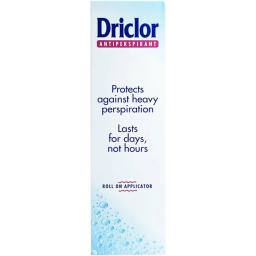
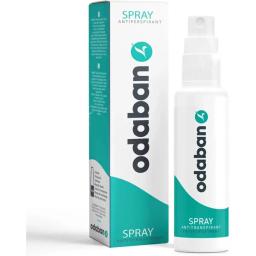
Our reviews of Driclor, Odaban and Anhydrol Forte cover how the products differ. You can also read more about clinical antiperspirants and our sweaty hands product guide.
Iontophoresis
Iontophoresis passes a weak electric current through water, usually with your hands or feet in a shallow tray. The NHS lists it among treatments a specialist may suggest for severe sweating, and BAD describes it as used for the armpits, palms and soles.
Some people get iontophoresis through an NHS dermatology department. Others buy a home device. It needs regular sessions and isn't suitable for everyone. The BAD iontophoresis leaflet says it is not suitable if you have a cardiac pacemaker or a similar electronic device, so talk to a GP or dermatologist before buying one and read the manufacturer's contraindications. See iontophoresis explained, iontophoresis at home and our iontophoresis machines roundup.
Prescription and specialist options
If over-the-counter products and iontophoresis aren't enough, a GP or dermatologist can talk through other options, such as tablets that reduce sweating. Our guides to prescription medications and NHS treatment for hyperhidrosis explain the pathway.
BAD notes that botulinum toxin injections are not commonly used in the palms and soles because it can cause temporary weakness of the hand muscles and is painful. That's worth knowing if grip strength matters to you. Surgery (ETS) is a last resort with a known risk of compensatory sweating, so see our ETS surgery page before considering it.
When to see a GP
The NHS suggests seeing a GP if you're sweating excessively and:
- things you can do yourself aren't helping
- it has lasted for at least 6 months
- it stops you getting on with your daily activities
- it happens at least once a week
- it happens at night (night sweats)
- you have a family history of excessive sweating
- you're taking medicine for another condition
If your hands only get wet during hard physical activity, that's likely to be normal. If they sweat at rest or in the cold, or it's affecting work, sport or confidence, it's reasonable to ask a GP or another healthcare professional for an appointment. You can use our severity check to put words to it before you go, and read when to see a doctor about sweating.
Sweaty feet slipping in trainers too? See sweaty hands and feet.