Christmas parties can be a perfect storm if you sweat a lot: warm rooms, a packed dance floor, layers, a glass of something festive and a bit of nervous energy. A little planning makes the evening easier, and none of it needs to be dramatic.
This guide is practical, not medical. It draws on NHS and British Association of Dermatologists (BAD) advice on clothing and sweat protection, plus everyday common sense for the party season. We haven't tested the products mentioned, and nothing here treats or cures sweating.
Advertising disclosure: some links below go to Amazon UK and may earn us a commission at no extra cost to you. This doesn't change which products we mention. See our disclosure.
What to wear
Fabrics. The NHS suggests loose-fitting clothes, and says to avoid tight clothes and synthetic fabrics such as nylon. BAD also suggests loose clothing in natural fibres. Many party fabrics, such as satin, sequins and polyester knits, are synthetic, so they tend to feel warmer and show damp more. A cotton, linen or lightweight wool outfit is usually the more comfortable choice, with a party top over a breathable base.
Colours and patterns. This is a practical tip rather than medical advice: dark colours and busy patterns tend to hide damp better than pale greys, light blues and plain white. If you love a pale outfit, an undershirt or pads underneath are worth testing first (see below).
Layers. Cold streets and overheated rooms are the classic problem in December. Wear thin layers you can remove, rather than one thick festive jumper, and use the cloakroom so you aren't carrying a coat around a hot room. A lightweight cardigan or open shirt over a breathable top gives you options as the room warms up.
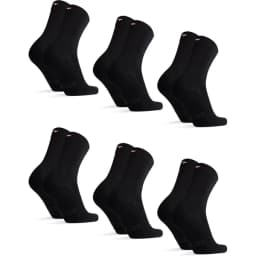
Shoes and socks. The NHS suggests leather shoes and socks that absorb moisture, and says to avoid enclosed boots or sports shoes that may make feet sweat more. If your party shoes are closed, a thin, breathable pair of socks helps, and so does a spare pair in your bag.
More choices are in our guide to sweat-proof socks.
Undershirts, pads and shields
Underarm marks are the most common worry at a party. The NHS says pharmacists sell armpit or sweat shields to protect clothing, and BAD mentions adhesive underarm pads and absorbent underlayers as practical options. These protect your clothes. They don't reduce how much you sweat, and they only cover the underarms.
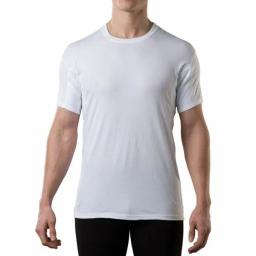
Sweat-proof undershirts. These have a barrier built into the underarm, so there is nothing to stick on or peel off. The listing below is the men's Original Fit cotton crew neck from Thompson Tee, a US brand sold on Amazon UK by Thompson Tee EU. Check that the neckline won't show under your open collar, and compare other styles in our sweat-proof undershirts guide.
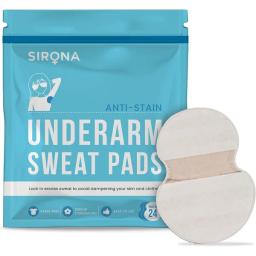
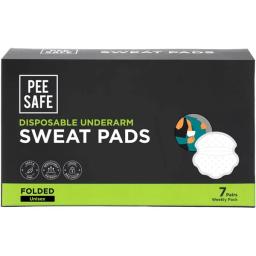
Disposable pads. Pads stick to the inside of your clothes and absorb sweat before it reaches the fabric. They're cheap and easy to carry as a back-up. Test the adhesive on the exact garment, because slick or thin fabrics can be awkward, and check that no edge shows through a fitted outfit. Our underarm sweat pads guide explains the types.
Try anything new on a normal day before the party, with the outfit you plan to wear. A night out is a poor time to discover that a pad peels away or a neckline shows.
A small party kit
You don't need a big bag. A few small things take the pressure off:
- A spare top or undershirt, folded small.
- A clean handkerchief, small cloth or tissues for your face and hands.
- A few spare underarm pads, if you use them.
- A travel-size deodorant or antiperspirant that you already use, following its label.
- A spare pair of socks if your shoes are closed.
- A water bottle, and a bag for damp items.
If a favourite top does pick up marks, our guide to removing sweat stains covers what to do afterwards. And if you're shopping for someone else who gets hot and bothered, our gifts for someone who sweats guide has tactful ideas.
Coping with hot, crowded venues
- Arrive a little early. Rooms are usually cooler and quieter before they fill up, and you can pick your spot.
- Choose your place. Stand or sit near a door, window or cooler corner rather than the middle of a crowded room or next to a radiator.
- Take breaks. A few minutes outside or by an open door gives you a moment to cool down, and nobody will question it.
- Think about drinks and food. The NHS lists alcohol and spicy food among the things that might make sweating worse. Eating beforehand, drinking water between festive drinks and holding a cold drink can all make a long evening easier.
- Plan for handshakes and introductions. Our guide to sweaty hands at work and interviews has simple ideas that work just as well at a party.
- Meeting someone new? If a party leads to a date or a first meeting, see our guide to sweating on dates.
Nerves and the Christmas party
Many people find that nerves make sweating feel worse, and sweating then makes them more nervous. A few small habits can help break the loop:
- Slow your breathing for a minute or two before you go in.
- Have a loose plan for leaving early if you need to, and tell a trusted friend what would help.
- Remember that most people are busy thinking about how they come across themselves.
Our guides to deodorant for nervous sweating and hyperhidrosis and anxiety go into more detail. If worry about sweating is stopping you going to events, a GP can talk it through with you.
If you want advice before next year's parties
The NHS says you can see a pharmacist about excessive sweating, and that stronger antiperspirants are available without a prescription. If sweating regularly spoils events, ask a pharmacist well ahead of time rather than the day before, and follow the product leaflet. Stronger products can irritate skin, which is one more reason not to try something new on the night. Our antiperspirant guide explains the types.
When to see a GP
Practical measures like these can make a party easier, but they aren't treatment. The NHS suggests seeing a GP if you're sweating excessively and:
- things you can do yourself aren't helping
- it has lasted at least 6 months
- it stops you getting on with your daily activities
- it happens at least once a week
- it happens at night (you're having night sweats)
- you have a family history of excessive sweating
- you're taking medicine for another condition
The GP may refer you for tests if they think another condition may be causing it. Our guides on when to see a doctor about sweating and sweating at night explain what to expect.
This page is educational and does not replace individual medical advice. See our disclaimer.