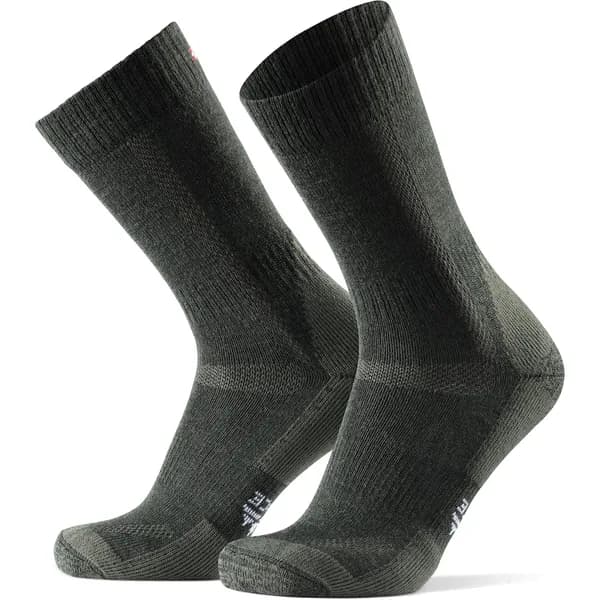
Best Socks for Sweaty Feet in 2026
The right socks will not cure sweaty feet, but they dramatically affect how manageable your plantar hyperhidrosis feels day to day. Cotton socks — what most people wear — are the worst possible choice for sweaty feet. They absorb moisture, hold it against your skin, and create the perfect environment for bacteria, fungus, and blisters. Pair the right socks with the treatments in our sweaty feet remedies guide for the best results.
Sweat-proof socks for hyperhidrosis use advanced fibres that wick moisture away from skin, dry quickly, and resist bacterial growth. Here are the best options across every material category.
Disclosure: This site earns affiliate commissions from qualifying purchases. This does not affect our editorial independence or product rankings.
Quick Comparison
| Sock Type | Moisture Wicking | Odour Control | Durability | Price Range | Best For |
|---|---|---|---|---|---|
| Merino wool | Excellent | Excellent | Good | $15-25/pair (about £11.16–18.59) | Overall best |
| Copper-infused synthetic | Very good | Excellent | Very good | $12-20/pair (about £8.92–14.87) | Odour control |
| Bamboo blend | Good | Good | Moderate | $10-18/pair (about £7.44–13.39) | Sensitive skin |
| CoolMax/synthetic | Very good | Moderate | Very good | $10-15/pair (about £7.44–11.16) | Athletic use |
| Cotton | Poor | Poor | Good | $3-8/pair (about £2.23–5.95) | Avoid for sweaty feet |
Best Overall: Merino Wool Socks
Our #1 pick for sweaty feet.
Merino wool is the gold standard fibre for moisture management. Unlike regular wool (scratchy, thick, and hot), merino fibres are ultrafine — typically 17-20 microns — making them soft enough for everyday wear while delivering exceptional moisture-wicking performance.
Why Merino Wool Wins
- Absorbs up to 30% of its weight in moisture without feeling wet — far more than any synthetic
- Naturally antimicrobial — lanolin in the wool fibres inhibits bacterial growth, reducing odour dramatically
- Temperature regulating — keeps feet warm in winter and cool in summer
- Quick drying — moisture evaporates from the outer surface while the interior stays dry against skin
- Naturally odour-resistant — you can wear merino socks multiple days before they smell (though with hyperhidrosis, daily changes are still recommended)
Top Merino Wool Sock Brands
Darn Tough Merino Wool Socks
- Merino content: 61-66% merino wool
- Standout feature: Lifetime warranty — they replace any sock that wears out, no questions asked
- Best for: Everyday wear, hiking, and work boots
- Cushion options: Light, medium, and full cushion
Smartwool Performance Socks
- Merino content: 52-68% merino wool
- Standout feature: Indestructawool technology for high-wear areas
- Best for: Athletic and casual wear
- Cushion options: Ultra-light to heavy cushion
Icebreaker Merino Socks
- Merino content: 60-70% merino wool
- Standout feature: Flat-knit toe seam to prevent blisters (important for sweaty feet)
- Best for: Office and dress sock styles
Merino Wool Tips for Sweaty Feet
- Wash in cold water and air dry to preserve lanolin and fibre integrity
- Avoid fabric softener — it coats the fibres and reduces wicking capacity
- Buy at least 5-7 pairs for daily rotation
- Choose light cushion for office shoes — thick hiking socks will not fit in dress shoes
Best for Odour Control: Copper-Infused Socks
Copper-infused socks embed copper ions into the fibre itself, providing permanent antimicrobial properties that survive hundreds of washes. For sweaty feet where odour is a primary concern, copper socks are excellent.
How Copper-Infused Socks Work
Copper ions are woven directly into the yarn. When bacteria and fungi contact the copper, the ions disrupt their cell membranes and kill them. This is not a coating that washes away — the copper is part of the fibre structure.
Top Copper-Infused Sock Brands
Copper Fit Copper-Infused Socks
- Material: Copper-infused nylon blend
- Best for: Budget copper option with good availability
Tommie Copper Compression Socks
- Material: Copper-infused nylon/spandex
- Added benefit: Mild compression improves circulation and reduces swelling
- Best for: People who are on their feet all day
Copper Sock Limitations
- Moisture wicking is good but not merino-level — synthetic fibres do not absorb moisture the way wool does
- Compression versions may feel tight — choose non-compression options if you just want the antimicrobial benefit
- Higher price than basic synthetics — the copper integration adds cost
Best for Sensitive Skin: Bamboo Socks
Bamboo viscose fibres are naturally soft, hypoallergenic, and moisture-wicking. For people with sweaty feet who also have sensitive skin that reacts to wool or synthetic materials, bamboo socks are the most comfortable option.
Bamboo Sock Properties
- Naturally hypoallergenic — unlikely to cause irritation or allergic reactions
- Soft texture — comparable to silk or cashmere
- Good moisture absorption — absorbs moisture well, though drying time is slower than merino
- Moderate antimicrobial properties — better than cotton but not as effective as merino or copper
- Breathable — micro-gaps in bamboo fibre structure allow airflow
Top Bamboo Sock Brands
Boody Bamboo Socks
- Material: 80% bamboo viscose
- Best for: Everyday comfort and sensitive skin
Cariloha Bamboo Socks
- Material: Bamboo viscose blend with arch support
- Best for: Active wear with a softer feel
Bamboo Limitations
- Slower drying — bamboo retains more moisture longer than merino or synthetics
- Less durable — bamboo fibres wear faster than merino or nylon
- Moderate odour control — better than cotton but outperformed by merino and copper
Best for Athletics: Synthetic Moisture-Wicking Socks
For high-intensity exercise where feet produce extreme amounts of sweat, synthetic moisture-wicking socks with CoolMax, Dri-FIT, or similar technologies provide rapid moisture transfer.
How Synthetic Wicking Works
Synthetic fibres like polyester, nylon, and CoolMax are hydrophobic — they do not absorb water. Instead, they move moisture along the fibre surface through capillary action, spreading it across a wider area where it evaporates faster. This keeps the sock surface drier than absorbent materials during intense activity.
Top Athletic Sock Brands
Balega Hidden Comfort
- Material: Drynamix polyester
- Best for: Running with sweaty feet
Nike Dri-FIT Performance Socks
- Material: Dri-FIT polyester blend
- Best for: Gym and cross-training
Feetures Elite Socks
- Material: Nylon/polyester blend with targeted compression
- Best for: Long-distance running and endurance activities
Synthetic Sock Limitations
- Odour is a problem — synthetic fibres harbor bacteria more readily than natural fibres
- Require frequent washing — do not wear synthetic athletic socks more than once between washes
- Not ideal for all-day office wear — the sporty look does not work with dress shoes
What to Avoid: Cotton Socks
Cotton is the worst sock material for sweaty feet. Here is why:
- Absorbs moisture and holds it — cotton can absorb 25x its weight in water and keeps it trapped against your skin
- Stays wet for hours — cotton dries slowly, creating a perpetually damp environment
- Promotes bacterial growth — the warm, wet conditions inside a cotton sock are ideal for bacteria and fungi
- Increases blister risk — wet cotton creates friction against skin
- Stretches when wet — soggy cotton socks lose their shape and bunch inside shoes
If you have sweaty feet and currently wear cotton socks, switching to merino wool alone will make a noticeable difference in comfort and odour.
Sock Care Tips for Sweaty Feet
- Change socks at least once daily — carry a fresh pair for midday changes if sweating is heavy
- Wash after every wear — do not re-wear socks, even merino wool
- Air dry when possible — high dryer heat damages moisture-wicking properties
- Skip fabric softener — it coats fibres and destroys wicking ability
- Rotate between multiple pairs — own at least 7 pairs of your chosen sock to allow proper drying and recovery between wears
- Pair with foot antiperspirant — socks manage moisture, but antiperspirants reduce how much moisture your feet produce
Combining Socks with Foot Treatments
The best approach to sweaty feet layers treatments:
- Treat the sweating — Carpe Foot Lotion, SweatBlock wipes, or Dermadry iontophoresis
- Manage the moisture — merino wool or copper-infused socks
- Control odour — antifungal foot powder before putting on socks
- Maintain shoes — rotate pairs, use cedar shoe trees, consider shoe dryers
Socks are step 2 in this chain. They complement treatment but do not replace it. See our full guide to sweaty feet products for treatment recommendations.
FAQ
Are merino wool socks too hot for summer?
No. Merino wool is temperature-regulating — it breathes better than cotton and most synthetics. Choose lightweight merino socks (under 200 GSM) for summer wear. They will feel cooler than cotton socks because they wick moisture instead of holding it.
How many pairs of socks should I own if I have sweaty feet?
At minimum, 7-10 pairs of your primary sock to allow daily rotation. If you change socks midday (recommended for severe cases), double that number. Having enough pairs prevents you from re-wearing socks before they have been properly washed and dried.
Can I wear two pairs of socks for sweaty feet?
Double-layer socks (or wearing a thin liner sock under a thicker outer sock) can reduce friction and blister risk. Some runners with sweaty feet use this technique. However, the added bulk may not fit in all shoes, and the extra layer can trap more heat.
Do compression socks help with sweaty feet?
Compression socks improve circulation and can reduce swelling, but they do not reduce sweating. If you need compression for other reasons (standing all day, recovery), choose copper-infused compression socks that combine circulation benefits with antimicrobial properties.
Sources
- International Hyperhidrosis Society — Foot care recommendations for hyperhidrosis
- Textile Research Journal — Moisture management properties of natural and synthetic fibres
- Journal of the Textile Institute — Antimicrobial properties of copper-infused textiles
- American Podiatric Medical Association — Sock selection for foot health