The Vicious Cycle of Hyperhidrosis and Anxiety
If you live with hyperhidrosis and anxiety, you know they feed off each other in a relentless loop. You sweat, which makes you anxious about the sweating, which makes you sweat more. Social situations become minefields — first dates especially. Presentations and job interviews feel impossible. Even casual conversations carry the weight of "can they see my sweat?"
This cycle is not in your head — it is a well-documented neurological feedback loop. Understanding how it works is the first step toward breaking it.
How Anxiety and Sweating Are Connected
The autonomic nervous system controls both your stress response and your sweat glands. When you feel anxious, your sympathetic nervous system activates the "fight or flight" response, which triggers sweat production as part of preparing your body for action.
For people with hyperhidrosis, this system is already overactive. Adding anxiety on top of an already hypersensitive sweat response creates a compounding effect. Research published in the Archives of Dermatological Research found that patients with primary hyperhidrosis have significantly higher rates of anxiety disorders compared to the general population — up to 21-32% versus approximately 7%.
Stress Sweat vs. Regular Sweat
Your body actually produces two different types of sweat:
- Eccrine sweat — Produced all over the body primarily for temperature regulation. This is mostly water and salt.
- Apocrine sweat — Triggered by stress and emotions, primarily from glands in the armpits and groin. This sweat contains proteins and lipids that bacteria break down, causing the characteristic body odour associated with "stress sweat."
People with hyperhidrosis often experience both types simultaneously, which is why stressful situations can feel especially overwhelming. The best deodorants for nervous sweating are formulated to address both sweat volume and odour.
Does Hyperhidrosis Cause Anxiety, or Does Anxiety Cause Hyperhidrosis?
The honest answer is: it can go both ways, and usually both are happening at once.
Primary hyperhidrosis is a physiological condition rooted in overactive sweat glands. It exists independently of anxiety. However, the social embarrassment and daily challenges of living with excessive sweating frequently lead to the development of anxiety disorders, social phobia, and depression.
A 2016 study in the Journal of the American Academy of Dermatology found that individuals with hyperhidrosis were 3.5 times more likely to experience anxiety and 2.4 times more likely to experience depression compared to matched controls.
On the other hand, generalized anxiety disorder and social anxiety disorder can trigger excessive sweating as a symptom, even in people who do not have primary hyperhidrosis. In these cases, treating the anxiety often reduces the sweating.
Cognitive Behavioural Therapy (CBT) for the Sweat-Anxiety Cycle
CBT is one of the most effective psychological treatments for breaking the hyperhidrosis-anxiety feedback loop. It does not stop the sweating itself, but it fundamentally changes how you respond to it — which often reduces the anxiety-driven component of sweating significantly.
How CBT Helps
- Cognitive restructuring — Identifying and challenging catastrophic thoughts ("Everyone can see my sweat," "They think I'm disgusting") and replacing them with realistic assessments
- Exposure therapy — Gradually facing feared situations (handshakes, presentations) in a controlled way to reduce avoidance behaviours
- Behavioural experiments — Testing beliefs about how others perceive your sweating (hint: most people notice far less than you think)
- Mindfulness techniques — Learning to observe sweating without judgment, which reduces the panic response
Research from Behaviour Research and Therapy has shown that CBT can significantly reduce social anxiety and improve quality of life in hyperhidrosis patients, even without changing the actual amount of sweating.
Finding a CBT Therapist
Look for a licensed therapist who specialises in anxiety disorders and ideally has experience with body-focused concerns. Many CBT programs run 12-16 sessions. Online CBT platforms have made this more accessible than ever.
Medications That Address Both Conditions
Several medications can treat both the sweating and anxiety components simultaneously.
Anticholinergics
Medications like glycopyrrolate and oxybutynin reduce sweating systemically by blocking acetylcholine. While they do not directly treat anxiety, the reduction in sweating often leads to significant anxiety relief as a secondary benefit.
Beta-Blockers
Propranolol is commonly prescribed for performance anxiety and can reduce some physical symptoms of anxiety, including sweating. It works by blocking the effects of adrenaline. Many people use it situationally before presentations, interviews, or social events.
SSRIs and SNRIs
Selective serotonin reuptake inhibitors (like sertraline or paroxetine) and serotonin-norepinephrine reuptake inhibitors (like venlafaxine) are first-line treatments for anxiety disorders. By treating the anxiety, they can indirectly reduce anxiety-triggered sweating. However, some SSRIs can actually increase sweating as a side effect, so medication choice matters.
Benzodiazepines
Occasionally prescribed for acute situational anxiety, benzodiazepines (such as lorazepam) can reduce anxiety-related sweating in the short term. However, they carry risks of dependence and are generally not recommended for long-term use.
Coping Strategies for Daily Life
While pursuing treatment, these practical strategies can help you manage day-to-day:
Reframe the Narrative
People with hyperhidrosis often develop deep shame around their condition. Remind yourself that sweating is a physiological response — it says nothing about who you are as a person. Many successful people, including public figures, live with hyperhidrosis.
Prepare for Triggering Situations
- Carry a small towel or handkerchief
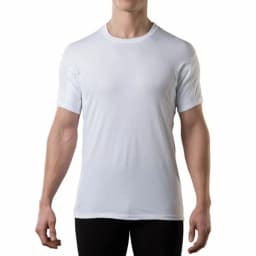
- Wear breathable, moisture-wicking fabrics
- Apply antiperspirant to problem areas 30 minutes before events
- Keep cold water nearby (holding a cold bottle can reduce hand sweating temporarily)
Practice Relaxation Techniques
- Diaphragmatic breathing — Slow, deep belly breaths activate the parasympathetic nervous system, counteracting the stress response
- Progressive muscle relaxation — Systematically tensing and releasing muscle groups to reduce overall tension
- Grounding exercises — Focus on sensory details in your environment to interrupt anxious thought spirals
Build a Support System
Talking openly about hyperhidrosis — even with just one trusted person — can dramatically reduce the isolation and shame that fuel anxiety. Online communities like the International Hyperhidrosis Society forums connect you with others who genuinely understand.
The Role of Exercise
This may seem counterintuitive, but regular aerobic exercise can help manage both anxiety and sweating over time. Exercise naturally regulates the sympathetic nervous system, improves stress tolerance, and has well-established anti-anxiety effects. While you will sweat during exercise, research suggests that regular physical activity can improve the body's thermoregulatory efficiency over time.
When to Seek Professional Help
Consider reaching out to a healthcare provider if:
- Anxiety about sweating is causing you to avoid social situations, work opportunities, or relationships
- You are experiencing symptoms of depression alongside your hyperhidrosis
- Home coping strategies are not providing adequate relief
- Sweating is significantly impacting your quality of life
A dermatologist can address the sweating, while a therapist or psychiatrist can help with the anxiety component. Treating both simultaneously typically yields the best outcomes.
Sources
- Bahar R, Zhou P, Liu Y, et al. The prevalence of anxiety and depression in patients with or without hyperhidrosis. Journal of the American Academy of Dermatology. 2016;75(6):1126-1133.
- Weber A, Heger S, Sinkgraven R, et al. Psychosocial aspects of patients with focal hyperhidrosis. Archives of Dermatological Research. 2005;297(4):145-149.
- Hofmann SG, Asnaani A, Vonk IJJ, Sawyer AT, Fang A. The efficacy of cognitive behavioural therapy: A review of meta-analyses. Cognitive Therapy and Research. 2012;36(5):427-440.
- International Hyperhidrosis Society. Mental Health and Hyperhidrosis. SweatHelp.org.