Why this page is more cautious than most
GLP-1 medications — semaglutide (Ozempic, Wegovy) and tirzepatide (Mounjaro) — are now taken by a very large number of people in the UK, and sweating comes up constantly in patient forums and support groups.
It is worth being straight about the state of the evidence, because a lot of what is written about this online is confidently wrong in both directions.
Sweating and night sweats are not listed as recognised side effects in the prescribing information for GLP-1 receptor agonists. They are nonetheless described often enough by people taking them, and in enough analyses of patient reports, to be worth taking seriously rather than dismissing. Both of those things are true at once. Anyone telling you it is a well-established side effect, or that it is definitely unrelated, is going further than the evidence supports.
The plausible explanations
There is no single confirmed mechanism, but several things are happening at once in someone on a GLP-1, and most of them can produce sweating on their own.
Low blood sugar. GLP-1 drugs increase insulin release in response to food. Combined with a much smaller appetite and skipped meals, that can produce hypoglycaemia — and sweating is one of its classic signs, usually alongside shakiness, a racing heart and sudden hunger. This is the mechanism most worth recognising, because it is the one that needs acting on rather than tolerating.
Nausea. Nausea is a very common GLP-1 side effect, and a cold, clammy sweat is part of how the body responds to feeling sick. If your sweating arrives with queasiness, especially after a dose increase, this is the likely culprit.
Rapid weight loss. Losing weight quickly changes thermoregulation — insulation, body surface area to mass ratio, and the hormonal signalling around temperature all shift. Some people report feeling hotter, others colder, and some describe flushing episodes similar to hot flushes.
Something unrelated. This matters. Starting a new medication makes it tempting to attribute every new symptom to it. Night sweats in particular have a long list of causes — menopause, thyroid problems, infection, anxiety, other medications including antidepressants — and none of them stop being possible because you have started a GLP-1.
When to stop managing it yourself
Speak to a GP, pharmacist or your prescriber if:
- Sweating comes with shakiness, confusion, a pounding heart or sudden hunger — this pattern suggests hypoglycaemia and needs treating, not tolerating
- You get drenching night sweats that soak nightclothes or bedding
- There is fever, a persistent cough, or weight loss beyond what the medication would explain
- Sweating is getting worse with each dose increase rather than settling
- It started suddenly having not been a problem before
Our guide to when to see a doctor about sweating covers the wider red flags, and sweating at night goes through nocturnal causes specifically.
Do not stop or reduce a prescribed medication to manage sweating without speaking to whoever prescribes it. If the sweating turns out to be dose-related, there are usually options — a slower titration, splitting the timing, or managing the nausea — that do not mean abandoning treatment.
Managing it while you wait it out
For most people this settles as the body adjusts. In the meantime, the things that work are the same ones that work for any excessive sweating:
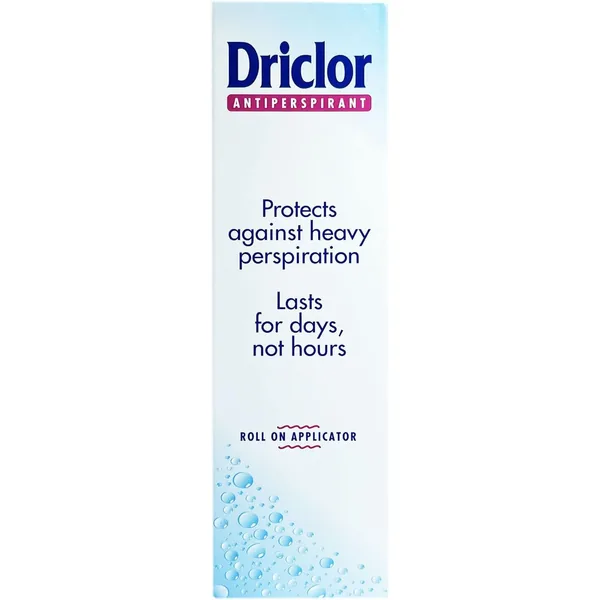
- A 20% aluminium chloride antiperspirant — Driclor or Anhydrol Forte, over the counter in any UK pharmacy. Apply to completely dry skin at night, wash off in the morning. The antiperspirant strength finder helps pick the right one for the area affected.
- Natural fibres, layered. Cotton, merino and bamboo move moisture better than synthetics and are far less likely to hold odour.
- A cooler bedroom and breathable bedding. Unglamorous, and it makes more difference to night sweats than almost anything else.
- Eat regularly. If low blood sugar is contributing, small regular meals help more than any antiperspirant will.
If sweating persists after your dose has been stable for a few months and the usual measures are not enough, it is worth being assessed for hyperhidrosis in its own right rather than assuming the medication is the whole story. Our severity self-check gives you a score to take to that appointment.