Why Sertraline Makes You Sweat
If you started sertraline and noticed you are suddenly sweating through shirts, waking up with damp sheets, or feeling clammy in situations that never used to bother you — you are not imagining it, and you are far from alone. Excessive sweating (the medical term is hyperhidrosis) is one of the most common and least talked-about side effects of SSRIs, and sertraline is a frequent culprit.
Here is what is actually happening. Sertraline works by increasing the amount of serotonin available in your brain. But serotonin does not just influence mood — it also feeds into the hypothalamus, the small region of the brain that acts as your body's thermostat. When serotonin signalling changes, the thermostat can become oversensitive, treating normal body temperature as too warm and triggering a cooling response you do not need.
There is a second mechanism on top of that. The nerves that switch your sweat glands on are part of the sympathetic nervous system, and the final signal to the glands runs through pathways influenced by both serotonin and noradrenaline. SSRIs indirectly ramp up this noradrenergic activity — in plain terms, they turn up the volume on the "start sweating" signal. This is also why SNRIs such as venlafaxine and duloxetine, which boost noradrenaline directly, tend to cause even more sweating than SSRIs.
The result: sweating that is out of proportion to temperature or exertion, often affecting the head, face, chest and back, and frequently worse at night.
How Common Is Sertraline Sweating?
More common than most people expect. The NHS lists excessive sweating among the common side effects of sertraline — meaning it affects more than 1 in 100 people — and studies of SSRI users suggest somewhere between 5% and 20% experience noticeable drug-induced sweating, with some estimates higher for SNRIs. Because many people are embarrassed to mention it (or do not connect it to their medication), the true figure is probably underreported.
A few patterns worth knowing:
- It can start within the first week or two of beginning sertraline, or appear after a dose increase
- Head, face, neck and torso sweating is typical — a different pattern from primary hyperhidrosis, which usually targets palms, feet and underarms and starts in the teenage years
- Night sweats are especially common — many people first notice the problem as damp bedding rather than daytime sweating
- It is dose-related for many people — higher doses tend to mean more sweating
If your excessive sweating began before you ever took an antidepressant, it may be primary hyperhidrosis instead — our guide to hyperhidrosis types explains the difference.
Does It Settle Down Over Time?
Sometimes. Early side effects of sertraline — nausea, headaches, jitteriness — often fade within two to four weeks as your body adjusts, and for some people sweating follows the same curve. But honestly: for a substantial minority, the sweating persists for as long as they take the medication. It is one of the side effects most likely to stick around.
A reasonable rule of thumb: give it six to eight weeks. If the sweating is mild and everything else about the medication is working, many people decide it is a fair trade for feeling well. If it is soaking clothes, disturbing sleep or affecting your confidence, that is not something you should just put up with — it is worth a GP conversation, because there are genuine options.
What Your GP Can Do — and Why You Should Never Just Stop
This is the most important section of this guide, so let us be direct: never stop sertraline abruptly, and never adjust your dose yourself. Stopping suddenly can trigger withdrawal symptoms — dizziness, electric-shock sensations ("brain zaps"), irritability, insomnia, flu-like feelings — and, more importantly, risks the return of the depression or anxiety the medication is treating. Sweating is a manageable side effect. Relapse is a much bigger problem.
Instead, book a routine GP appointment and explain the impact the sweating is having. Options your GP may consider include:
- Reviewing the dose. Because sweating is often dose-related, your GP may weigh up whether a lower dose would still control your symptoms. This is always their call, made against how well your mental health is doing — not something to experiment with alone.
- Changing the timing. If night sweats are the main problem, your GP may suggest taking sertraline at a different time of day. Evidence here is mixed, but it costs nothing to try under their guidance.
- Switching antidepressants. Not all antidepressants sweat equally. If sertraline suits you in every other way except this, your GP may suggest a cross-taper to a different SSRI or to an antidepressant with lower sweating rates. Any switch should be gradual and supervised.
- Adding a treatment for the sweating itself. For persistent cases, GPs and dermatologists sometimes prescribe medications that damp down the sweating signal — including anticholinergics such as oxybutynin or glycopyrrolate. These have their own side effects, so this is a genuine risk-benefit discussion. Our overview of prescription medications for sweating covers what to expect.
Go into the appointment with specifics: when the sweating happens, which body areas, how many shirt changes a day, how often it wakes you. GPs act on impact, and concrete detail makes the case.
Managing the Sweating Day to Day
While you and your GP work out the medical side, there is a lot you can do to make sertraline sweating less disruptive. (Some links below are affiliate links — see our disclaimer for how we fund the site.)
Clinical-strength antiperspirants
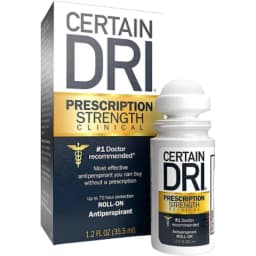
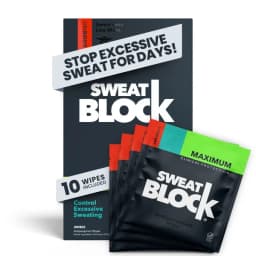
Standard supermarket antiperspirants usually cannot cope with drug-induced sweating, but clinical-strength formulas with aluminium chloride are a different tier — they physically block the sweat ducts and are applied at night to dry skin. They work regardless of what is causing the sweating, which makes them the single most useful self-help tool here. Certain Dri is the classic high-street-strength option for underarms, and SweatBlock wipes are useful for larger or awkward areas like the chest and back, which sertraline sweating often targets.
Our guide to clinical antiperspirants explains how to use them without irritation, and our best antiperspirants round-up compares the strongest options.
Dress for it
- Choose breathable natural fibres (cotton, linen, merino) or proper moisture-wicking technical fabrics — avoid standard polyester, which traps heat and shows sweat
- Dark colours and patterns hide damp patches far better than plain light colours
- Layering lets you shed heat before sweating starts
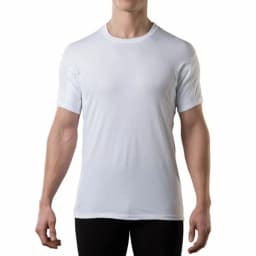
- A sweat-proof undershirt with waterproof underarm barriers can save work shirts entirely — see our sweat-proof undershirt round-up
Getting night sweats under control
SSRI night sweats respond well to the same tactics that help other causes of night sweating: a cool bedroom (around 16–18°C), lightweight breathable bedding rather than one heavy duvet, moisture-wicking sleepwear, and avoiding alcohol and spicy food in the evening — both of which independently trigger sweating and are worth limiting on sertraline anyway. Our full guide to sweating at night covers bedding, mattress protectors and cooling products in detail.
Watch the stacking effect
Caffeine, alcohol, spicy food, hot drinks and anxiety all push the same sweating pathways sertraline is already stimulating. You do not need to cut everything out — but if you are sweating heavily on sertraline, a strong coffee in a warm meeting room is stacking three triggers at once. Since many people take sertraline for anxiety, it is also worth reading our guide on hyperhidrosis and anxiety — the sweat-worry-sweat loop is real, and breaking it helps.
When to Speak to Your GP — and When It Is Urgent
Book a routine appointment if:
- Sweating is still significant after 6–8 weeks on a stable dose
- It is soaking through clothing or bedding regularly
- It is affecting your sleep, work or willingness to socialise
- You are tempted to stop the medication because of it — tell your GP this explicitly, so they can act before you lose the benefit of treatment
Seek urgent help — call 999 or go to A&E — if sweating comes on suddenly alongside:
- Agitation, restlessness or confusion
- A rapid heartbeat or palpitations
- Muscle twitching, jerking or rigidity
- Shivering, diarrhoea or a high temperature
That combination can indicate serotonin syndrome — a rare but potentially serious reaction where serotonin levels climb too high. It is more likely soon after starting sertraline, after a dose increase, or when sertraline is combined with other serotonergic substances: certain painkillers (like tramadol), some migraine medications (triptans), other antidepressants, and the herbal remedy St John's wort. If symptoms are milder but you are worried, call NHS 111. Sweating on its own, without these other symptoms, is almost never serotonin syndrome — but the combination should never be ignored.
Night sweats also have causes beyond medication — infections, thyroid problems and other conditions among them — so drenching night sweats with fever, unexplained weight loss or swollen glands need checking regardless of what you take. Our guide on when to see a doctor about sweating covers the full list of red flags.
The Bottom Line
Sertraline sweating is common, has a real physiological mechanism behind it, and is nothing to be embarrassed about. Sometimes it settles; often it can be managed well with clinical antiperspirants, sensible clothing and bedroom tweaks; and when it cannot, your GP has several medical options — dose review, timing changes, switching, or adding a treatment. The one thing not to do is quietly stop your antidepressant. The sweating is fixable. Untreated depression or anxiety is a far harder problem to fix.