The short version
Axhidrox is a prescription cream. NICE technology appraisal TA1175, published on 9 July 2026, recommends it only for a narrow group.
Glycopyrronium bromide cream (Axhidrox, Axunio) can be used on the NHS as an option for severe primary axillary hyperhidrosis in adults when:
- lifestyle advice,
- topical aluminium-based antiperspirants, and
- oral antimuscarinic medicines
have not controlled underarm sweating, or those treatments are contraindicated or not tolerated.
So it comes later in the queue. It's only for the armpits, and you can't buy it at a pharmacy counter next to Driclor.
Several local NHS formularies in England added it in autumn 2026. Some let GPs prescribe it, and others want a specialist to start it.
This page summarises the public NICE and NHS documents. It isn't a prescribing guide. How to use it is set out in the patient leaflet and the summary of product characteristics, and a doctor or other prescriber decides whether it's right for you. Tell your prescriber about pregnancy, breastfeeding and other medicines.
This guide covers England and Wales. Scotland's SMC advice on glycopyrronium bromide (Axhidrox, SMC2978) is due on 7 December 2026.
How Axhidrox works
Glycopyrronium bromide is an anticholinergic (antimuscarinic) medicine. The summary of product characteristics describes glycopyrronium as a competitive antagonist of muscarinic acetylcholine receptors. It inhibits acetylcholine-driven effects on various glands, including the sweat glands, which reduces perspiration. The cream is applied to the armpit. The SmPC describes a local effect, and says some of the medicine still reaches the rest of the body. The oral antimuscarinic tablets mentioned below act through the whole body.
What TA1175 actually is
NICE has still not published a full clinical guideline on hyperhidrosis. TA1175 is a technology appraisal of one medicine. That's why treatment for hands, feet, iontophoresis and surgery still varies by area. The appraisal doesn't replace the NICE clinical knowledge summary, which remains the primary-care starting point: lifestyle measures and a 20% aluminium chloride antiperspirant.
TA1175 is an assessment of one medicine for one group. NICE describes the licensed use as the topical treatment of severe primary axillary hyperhidrosis in adults. "Primary" means no separate disease is driving the sweating. "Axillary" means the underarms. "Severe", in the committee discussion, is the sort of sweating that's barely tolerable or intolerable and frequently or always interferes with daily life, often scored 3 or 4 on the Hyperhidrosis Disease Severity Scale.
People with mild or moderate underarm sweating aren't in the group NICE recommends it for. Our severity check uses that wording if you want a note to take to an appointment. It isn't a diagnosis.
Where it sits in treatment
NICE describes usual treatment like this, and recommends the cream only at step 4:
- Lifestyle advice and topical aluminium-based antiperspirants.
- If those aren't enough, oral antimuscarinics. In the UK that usually means propantheline or oxybutynin. Propantheline is licensed for hyperhidrosis. Oxybutynin is often used off-label. See prescription medications.
- Botulinum toxin is sometimes available in specialist (secondary care) clinics. Waits can be long and funding is patchy. See Botox for sweating.
- Axhidrox comes after steps 1 and 2 have failed or can't be used.
The committee heard that doctors often prefer to try a skin treatment before a tablet. Tablets can cause dry mouth, constipation and blurred vision. Even so, NICE placed Axhidrox after the tablets for NHS funding. The company asked for it to be considered after aluminium antiperspirants, as an alternative to the tablets or botulinum toxin. That is narrower than the licence. NICE went further and recommended it only if the tablets have also not worked or can't be used. If your GP suggests a different order, that's a clinical decision. The funding recommendation in TA1175 is the sequence above.
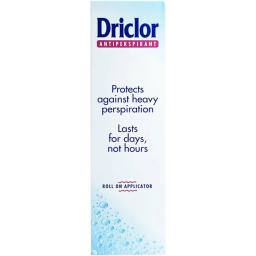
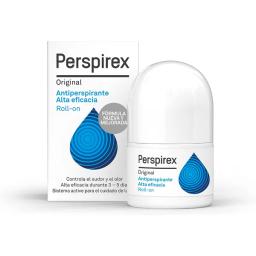
Before anyone talks about a prescription, this site points to aluminium antiperspirants: Driclor, Anhydrol Forte and Odaban. Perspirex is an option for people who can't put up with those. The NHS treatment guide explains how to have that conversation.
What NICE says about the evidence and side effects
NICE says trial evidence shows that people using it have less underarm sweat than people using a placebo. They may also have a better quality of life.
It hasn't been compared directly in a trial with the tablets or with botulinum toxin. Indirect comparisons suggested it may not work as well as some of those usual treatments, including botulinum toxin. NICE weighed its cost against botulinum toxin. The cream may do less, but it also costs less. NICE found that balance acceptable only for people who had already tried lifestyle measures, aluminium antiperspirants and the tablets.
NICE cites the product information on side effects. Common adverse effects include reactions where it's put on the skin (application site reactions) and dry mouth. That isn't a full side-effect list. Read the leaflet you're given, tell your prescriber or another healthcare professional about any symptom that worries you, and report suspected side effects via the Yellow Card scheme.
Price and funding
NICE records a list price of £69.50 per tube from the company submission. The NHS Dictionary of Medicines and Devices (dm+d) lists the product as a 50 g pump pack with an NHS indicative price of £69.50 (OpenPrescribing dm+d entry, release checked 9 November 2026). It isn't priced in the Drug Tariff. Costs can be lower where there's a procurement discount. This is what the NHS pays, not a price you will see on a shop shelf. If you get it on prescription, the usual prescription charge rules apply where you live. This site doesn't sell the cream.
In England, integrated care boards and NHS England had to make funding available for the recommended group within 90 days of publication on 9 July 2026. That deadline fell on 7 October 2026. Funding depends on the clinician responsible for your care thinking it's the right option. A positive NICE technology appraisal isn't a promise that every GP will prescribe it on the first visit. In Wales, ministers' directions usually require funding within 60 days of final draft guidance when NICE recommends a treatment.
Local formularies
Each area decides how a new medicine fits into its local formulary, the list of medicines local prescribers use. By late October 2026, several areas in England had added it in line with TA1175. They didn't all do it the same way:
- In some areas it's classed as suitable for GPs to prescribe.
- In others, a specialist is expected to start it or recommend it first, and the GP may take over prescribing later.
So whether a GP can prescribe it at the first appointment, or whether you need a referral first, depends on where you live. Your GP practice or community pharmacist can check the local position. The formulary decisions we found are listed in the sources. They don't cover every area, and local decisions can change.
People already using it before the guidance was published can continue under the arrangements they already had, until they and their clinician decide to stop.
What it isn't
- Not Qbrexza. Those are glycopyrronium wipes licensed in the United States. They aren't the product in TA1175, and they aren't routinely available on the NHS. See Qbrexza for the US distinction.
- Not oral glycopyrronium. Tablets and the topical product are different things. Oral glycopyrronium for sweating in the UK is a separate, usually off-label, conversation. See glycopyrrolate for sweating.
- Not a compounded cream. NICE notes that some glycopyrronium creams are specially made, unlicensed and often costly. Axhidrox is the licensed product the appraisal is about.
- Not Sofdra. Sofpironium gel is a different drug and, as of our Sofdra page, not a UK-licensed option.
- Not for palms, soles or the face under this appraisal.
What to do if you think it might apply
- Give a 20% aluminium chloride antiperspirant a fair try, using it as the patient leaflet describes, unless a pharmacist or GP has told you not to. If it irritates your skin or you're unsure how to use it, ask a pharmacist or your prescriber.
- If that fails, see a GP and say how sweating affects work and daily life. Take a short record of what you used.
- Ask whether an oral antimuscarinic is appropriate, and whether you'd be eligible for anything else. TA1175 expects that step, or a reason it's unsuitable, before it's an NHS option.
- If you're referred, ask whether Axhidrox or botulinum toxin is what the local service actually provides. Funding for injections still varies. The recommendation is national for the group NICE defined, but the appointment pathway isn't instant.
If sweating is new, one-sided or happens at night, the GP will want to rule out another medical condition first. That comes before any talk of treatment options. The NHS page on excessive sweating is the public overview.