Anhydrol Forte vs Driclor: Same Strength, Different Price
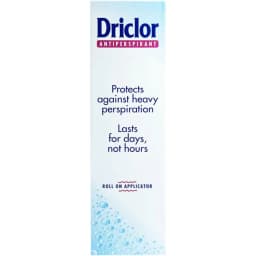
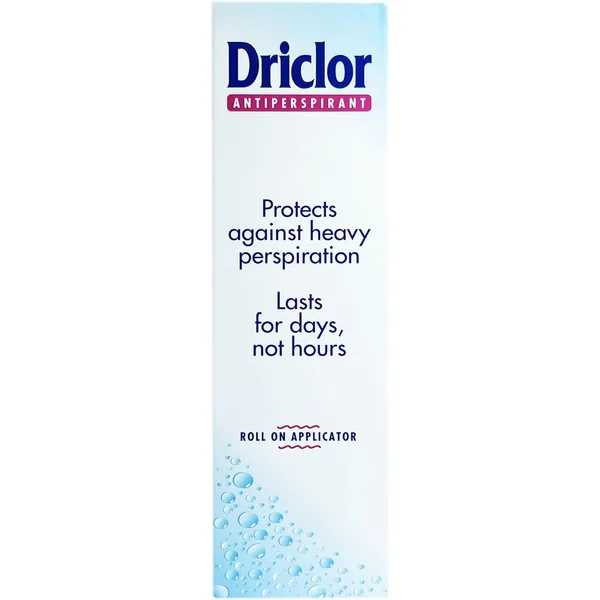
If you've read anything about strong antiperspirants in the UK, you've read about Driclor. It's the name people reach for, the one the forums recommend, and the one most GPs mention first. Anhydrol Forte does the same job with the same active ingredient at the same concentration, and costs a fraction as much per millilitre.
That's the whole comparison in one line. The rest of this page explains why the price gap exists, where the two genuinely differ, and what changed in June 2026 that made Anhydrol Forte the product the NHS now points to.
Disclosure: This site earns affiliate commissions from qualifying purchases. This does not affect our editorial independence or product rankings.
Check the leaflet before switching brands
A different bottle does not guarantee less irritation. Check the intended body areas, applicator and directions on the actual pack, and avoid applying either product to broken or irritated skin. The clinical-antiperspirant guide explains why dry skin and correct application matter. Speak to a pharmacist if soreness keeps returning rather than increasing the amount.
When comparing value, use the current delivered price and bottle volume. A larger bottle only saves money if you can use it within the labelled storage and shelf-life requirements. UK pharmacy medicines and US clinical-strength products are not identical categories; our OTC vs prescription comparison explains the distinction. If treatment is ineffective despite following the leaflet, the next step is a clinical review, not an assumption that another 20% brand must work better. We may earn commission through buying links; see our disclosure.
Quick Comparison
| Anhydrol Forte | Driclor | |
|---|---|---|
| Active ingredient | Aluminium chloride hexahydrate 20% | Aluminium chloride hexahydrate 20% |
| Maker | Dermal Laboratories (Hitchin) | Haleon |
| Legal status | P medicine, no prescription needed | P medicine, no prescription needed |
| Pack sizes | 60ml | 20ml and 75ml (60ml discontinued June 2026) |
| Price recorded | £4.69 (60ml) | about £6.99 (20ml), about £12.50 (75ml) |
| Cost per ml | about 8p | about 35p (20ml), about 17p (75ml) |
| Applicator | Roll-on | Roll-on |
| Licensed for | Underarms, hands, feet | Underarms, hands, feet |
| NHS reference product | Yes, since June 2026 | No longer, for the 60ml generic |
| Sold in the US | No | No |
They Share the Same Active Ingredient
Both products are aluminium chloride hexahydrate at 20% in an alcohol base. That's the ingredient doing the work in every clinical antiperspirant sold in the UK, and 20% is the licensed medicine strength. It forms temporary plugs in the sweat ducts, so less sweat reaches the skin surface.
One labelling nuance is worth knowing, because it looks like a difference and isn't. Anhydrol Forte is measured as 20% w/v (weight per volume) and Driclor as 20% w/w (weight per weight). Those are two conventions for expressing the same concentration, not two different strengths.
Because the active and the concentration match, there's no pharmacological reason to expect one to outperform the other on sweat reduction. People who report a difference are usually describing the applicator feel, the bottle, or a change in their own application routine rather than a difference in the formula.
Both are licensed for underarms, hands and feet, and both are P medicines. A pharmacist can sell either without a prescription, though online pharmacies will ask you to answer a short health questionnaire first.
The Price Difference Is the Real Story
Here's what the two actually cost at the prices we recorded:
- Anhydrol Forte 60ml: £4.69 at Express Chemist in July 2026, roughly 8p per ml. The NHS list price is £2.99 excluding VAT.
- Driclor 20ml: around £6.99, roughly 35p per ml.
- Driclor 75ml: around £12.50, roughly 17p per ml.
Buy the small Driclor bottle and you're paying about four times as much per millilitre for the same active ingredient at the same strength. Even the large Driclor pack, which is the better value of the two, costs about double Anhydrol Forte per ml.
Prices move, so check before you buy. The ratio has been stable for a while though, and it reflects brand recognition rather than formulation.
Anhydrol Forte is a pharmacy medicine, so it isn't on open supermarket shelves and it isn't heavily advertised. Dermal Laboratories markets it quietly. That's most of the reason you may never have heard of it despite it being the cheaper way to buy exactly the same treatment.
What Changed in June 2026
Haleon discontinued the Driclor 60ml pack with effect from 1 June 2026. The HSC Business Services Organisation in Northern Ireland confirmed this in a supply letter to prescribers. The 20ml and 75ml packs are unaffected and remain on sale.
The knock-on matters if you get your treatment on prescription. NHS prescriptions written generically for aluminium chloride 20% solution 60ml used to resolve to Driclor. With that pack gone, they now point to Anhydrol Forte as the reference product.
This is also the source of the recurring "is Driclor discontinued" rumour. The brand hasn't been withdrawn in the UK. One pack size has. We've covered the full history of that rumour, including the genuine Australian withdrawal that feeds it, in our Driclor review.
Irritation: Technique Beats Brand
Stinging, itching and redness are the common complaints with both, and they come from the shared aluminium chloride and alcohol base. Switching brands rarely fixes it. Changing how you apply it usually does.
The rules that matter for either product:
- Apply at night, to completely dry skin. Damp skin turns aluminium chloride into hydrochloric acid on contact, which is what most of the burning is.
- Let it dry fully before dressing or getting into bed.
- Wash it off in the morning.
- Never apply within 12 hours of shaving or using hair removal cream.
- Ask a pharmacist about the initial and ongoing instructions; this page does not recommend a frequency.
Ask a pharmacist or clinician about persistent irritation. This page does not recommend a steroid cream or its amount and frequency.
If both products irritate you at 20%, the sensible next step is a buffered lower strength formula rather than a different 20% bottle. Perspirex pairs aluminium chloride with an aluminium lactate buffer for that reason.
If You're in the US
Neither product is licensed for sale in the United States, which catches out a lot of readers who find UK hyperhidrosis advice through search. You won't find Anhydrol Forte or Driclor in a US pharmacy.
Your practical options there:
- Prescription: a doctor can prescribe a 20% aluminium chloride solution, which is the same active ingredient and strength these two use. That's the direct equivalent, and it's the route to ask about if over the counter strengths haven't worked.
- Over the counter: Certain Dri is the closest widely available option, and the clinical strength brands we cover in best antiperspirants for hyperhidrosis all ship in the US.
Importing a licensed medicine from another market is not something we'd recommend around a prescription-grade product. Speak to a clinician first, because the US prescription route gets you the identical active ingredient without the customs risk.
Which Should You Choose?
Choose Anhydrol Forte if you want 20% aluminium chloride at the lowest cost per ml, you're buying in the UK, and you don't mind ordering from a pharmacy rather than picking it off a shelf. For most UK readers this is the rational choice, and the price gap is large enough that it's worth the small extra friction of the pharmacy questionnaire.
Choose Driclor if you specifically want the 75ml pack size, your pharmacy stocks it and you'd rather buy in person today, or you've used it before and want to stay on a product you know your skin tolerates.
Choose neither if you've already tried 20% aluminium chloride applied correctly for several weeks with no useful reduction in sweating. At that point the next step isn't another bottle. Ask your GP about iontophoresis, prescription medication, or referral to a dermatologist. Our NHS treatment pathway guide sets out what to ask for and in what order.
We have no affiliate relationship with any retailer for Anhydrol Forte, so there's nothing in it for us either way on that recommendation.
This page is educational and is not medical advice. Hyperhidrosis has treatable underlying causes in some cases, so see a GP if your sweating started suddenly, happens mainly at night, or comes with other symptoms. The NHS page on excessive sweating is a good starting point, and our guide on when to see a doctor about sweating covers the warning signs in more detail.