
OTC vs Prescription Antiperspirants: What You Need to Know
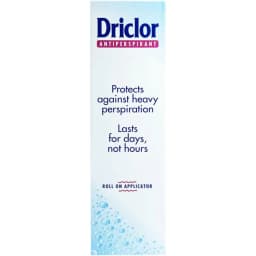
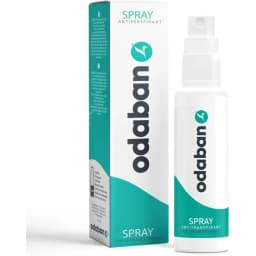
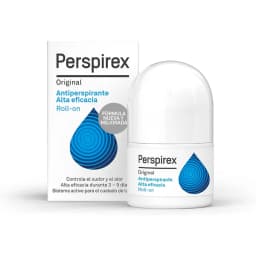
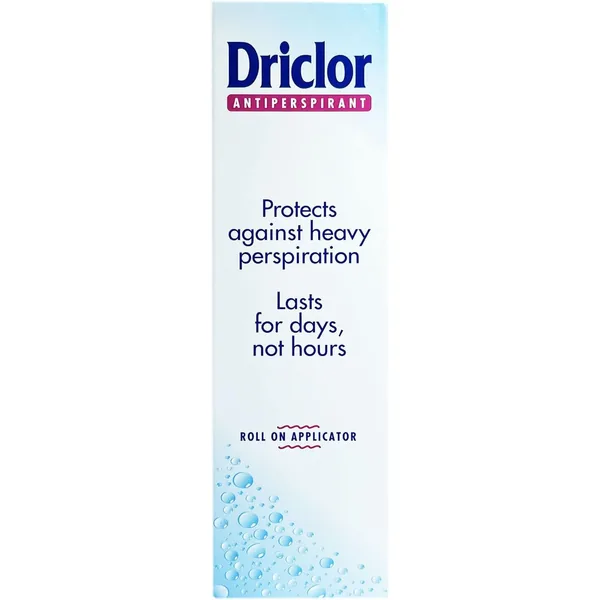
If a supermarket antiperspirant is not enough, the next question is whether you need a prescription. In the UK, usually not yet. Driclor, Anhydrol Forte and Odaban are 20% aluminium chloride hexahydrate pharmacy medicines. A pharmacist can sell them without a GP prescription. That is the strength American sites often call "prescription". Perspirex is the gentler roll-on if a 20% product stings.
The rest of this page explains the US split between "clinical OTC" (often 15% aluminium chloride) and a prescription product such as Drysol. That split is an FDA rule. It is not UK pharmacy law. Duradry does not publish a concentration, so it is not a 15% product and it is not stronger than a labelled 20% medicine.
Advertising disclosure: buying links may earn a commission at no extra cost to you.
Driclor on Amazon UK → | Anhydrol Forte at a UK pharmacy → | Odaban on Amazon UK → | Perspirex on Amazon UK →
The Three Tiers of Antiperspirants
| Tier | Aluminium Chloride | Examples | Effectiveness | Cost |
|---|---|---|---|---|
| Regular OTC | 0-6% (or aluminium zirconium up to 20%) | Dove, Degree, Secret, Old Spice | Reduces sweating | $4-8 (about £2.97–5.95) |
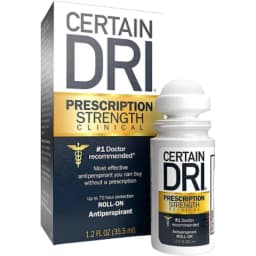
| Clinical-Strength OTC | 15% aluminium chloride (Duradry does not publish a figure) | Duradry, SweatBlock, Certain Dri | Reduces sweating | $15-40 (about £11–30) |
| UK pharmacy medicine | 20% aluminium chloride hexahydrate | Driclor, Anhydrol Forte, Odaban | The NICE CKS first step | Check the retailer; no prescription |
| US prescription brands | Often 20% aluminium chloride hexahydrate | Drysol, Xerac AC | Similar salt to the UK pharmacy medicines | US list prices do not apply here |
Tier 1: Regular OTC Antiperspirants
What They Contain
Most drugstore antiperspirants use aluminium zirconium trichlorohydrex Gly at concentrations up to 20%. Despite the high-sounding percentage, this compound is significantly milder than aluminium chloride. The FDA classifies it differently because its sweat-blocking mechanism is weaker per percentage point.
Some "clinical strength" marketing from brands like Dove and Secret refers to products with slightly higher aluminium zirconium concentrations — not actual clinical-strength aluminium chloride. Do not confuse these with the clinical OTC tier.
Who They Work For
Regular OTC antiperspirants are designed for normal sweating. They provide a reduction in sweating, which is adequate for most people. If you apply a regular antiperspirant and still sweat through shirts, experience visible sweat stains, or feel anxious about sweating, you have likely outgrown this tier.
When to Move Up
Upgrade from regular OTC if:
- You sweat through your antiperspirant within a few hours
- You have visible underarm sweat stains regularly
- You reapply multiple times per day without adequate results
- Your sweating causes anxiety or affects your daily activities
Tier 2: Clinical-Strength OTC Antiperspirants
What They Contain
In the United States, clinical over-the-counter products often use aluminium chloride around 12-15%, because that is the band the FDA monograph allows without a prescription. Aluminium chloride is a different salt from the aluminium zirconium in a supermarket stick. In the UK you can already buy 20% aluminium chloride hexahydrate from a pharmacist, so this US band is not the top of the range here.
The Key Players
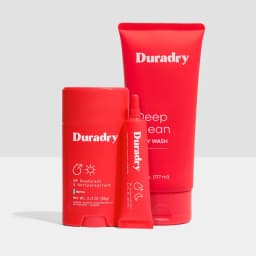
Duradry System — aluminium chloride, strength not published
- US three-step import, not a UK first-line medicine
- Night gel percentage is not on the label, so it is not "15%" and it is not stronger than Driclor
- Check Duradry → | Read the review →
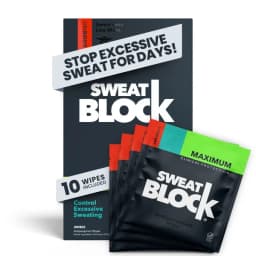
SweatBlock Wipes — 15% aluminium chloride
- Pre-soaked wipe applied once weekly
- a noticeable reduction in sweating
$19.99/box(about £14.87) (~$10/month(about £7.44))- Read full review →
Certain Dri — 15% aluminium chloride
- Roll-on liquid applied nightly
- a moderate reduction in sweating
- Check current price. Certain Dri sells through retailers and publishes none.
- Read full review →
Why This Tier Matters
In the UK, do not skip from a supermarket stick to a GP prescription and do not start with a US bundle. Use a 20% pharmacy medicine properly for several weeks first. A 15% US import is a step down from that, not a step up. Duradry's three-step routine is an import whose night gel has no published percentage.
When to speak to a GP
Speak to a GP if:
- You have used a 20% pharmacy product correctly for several weeks and sweating still disrupts daily life
- Your skin cannot tolerate that product
- Sweating is generalised, new, one-sided, or happening at night
There is no meaningful "beyond 85%" target to shop for. The NHS treatment guide is the next page, not another American brand.
Tier 3: What US sites call a prescription
What they contain
In the UK, 20% aluminium chloride hexahydrate is already a pharmacy medicine (Driclor, Anhydrol Forte, Odaban). You do not need the brands below. They are the American names for a similar salt, often supplied only with a US prescription.
Drysol (aluminium chloride hexahydrate 20%)
- A US brand, not the UK pharmacy product
- Alcohol-based solution
- Applied at bedtime to affected areas
- Available in 20% and 6.25% concentrations
Xerac AC (Aluminium Chloride 6.25%)
- Lower concentration prescription option
- Less irritating than Drysol
- Often prescribed when 20% is too harsh
Compounded Formulas (Up to 25%+)
- Custom-mixed by compounding pharmacies
- Concentrations can be tailored to patient needs
- May include additives to reduce irritation (glycerin, aloe)
How to Get a Prescription
- Schedule a dermatology appointment — tell them you have excessive sweating that does not respond to OTC products
- Bring documentation — list the products you have tried and for how long
- Ask about options — your dermatologist may prescribe Drysol, Xerac AC, or a compounded formula
- Discuss alternatives — prescription antiperspirants are not the only prescription option (see below)
Effectiveness
Prescription antiperspirants at 20%+ concentration typically achieve:
- a reduction in sweating for underarms
- a marked reduction in sweating for hands and feet
- Significantly higher irritation risk — the increased concentration comes at a cost
Cost and Insurance
OTC Products (No Insurance Needed)
| Product | Price | Monthly Cost |
|---|---|---|
| Regular OTC | $4-8 (about £2.97–5.95) | $4-8 (about £2.97–5.95) |
| Certain Dri | Check current price | Cheapest of these |
| SweatBlock | $19.99 (about £14.87) | $10 (about £7.44) |
| Duradry | $37.00 (about £28) | $18.50 (about £14) |
Prescription Antiperspirants (Insurance May Cover)
| Product | Without Insurance | With Insurance |
|---|---|---|
| Drysol 20% | Ask your pharmacist (on supplier backorder in autumn 2026) | Depends on your plan |
| Xerac AC | $30-60 (about £22–45) per bottle | $10-25 (about £7–19) US copay |
| Compounded formula | $50-150 (about £37–112) per bottle | Varies (often not covered) |
The Insurance Factor
Prescription antiperspirants are covered by most insurance plans with a doctor's prescription. If your insurance has good pharmacy benefits, a prescription product may actually cost less per month than premium OTC options like Duradry.
However, factor in the dermatologist visit cost ($100-300 (about £74–223) in the US) required to get the prescription.
Irritation: The Concentration Trade-Off
Higher aluminium chloride concentration = more sweat blocking = more skin irritation. This is the fundamental trade-off across all tiers.
| Concentration | Irritation Level | Typical Symptoms |
|---|---|---|
| 15% (Certain Dri) | Moderate | Stinging, itching, occasional redness |
| 15% (SweatBlock) | Moderate | Stinging, redness, mild peeling |
| Not published (Duradry) | Low-moderate* | Mild stinging, minimal redness |
| 20% (Drysol) | High | Significant stinging, redness, peeling, itching |
| 25%+ (compounded) | Very high | Severe irritation, potential chemical burns |
*Duradry's system approach (body wash prep + AM gel soothing) reduces irritation despite the higher concentration.
Managing Prescription-Level Irritation
- Start with every-other-night application and build up gradually
- Apply to bone-dry skin — any moisture dramatically increases irritation
- Use 1% hydrocortisone cream the morning after application
- Ask about compounding with glycerin — this reduces irritation while maintaining effectiveness
- Never apply after shaving — wait at least 48 hours
- Consider starting at a lower concentration (Xerac AC 6.25%) and working up
Beyond Antiperspirants: Prescription Alternatives
If prescription antiperspirants are not enough or cause too much irritation, your dermatologist has other options:
Prescription Anticholinergic Wipes
- Qbrexza (glycopyrronium tosylate 2.4%) — FDA-approved wipes for underarm sweating
- Works differently from antiperspirants — blocks nerve signals instead of plugging glands
- Lower irritation profile than high-concentration aluminium chloride
- See our facial sweating guide for Qbrexza details
Oral Medications
- Glycopyrrolate — systemic anticholinergic that reduces sweating body-wide
- Oxybutynin — another anticholinergic option
- Read our prescription medications guide for details
In-Office Treatments
- Botox injections — a large reduction in sweating for most people, lasts 4-9 months
- miraDry — permanent sweat gland destruction for underarms
- Iontophoresis — at-home device for hands and feet
Decision Flowchart
Step 1: A normal supermarket antiperspirant, if that is all you have tried.
Step 2: A UK 20% pharmacy medicine for several weeks, used at night on dry skin: Driclor, Anhydrol Forte or Odaban. If it stings, ask about Perspirex.
Step 3: A GP, with a note of what you have already used. They may prescribe an oral medicine. Qbrexza and Drysol are not the UK prescription to ask for.
Step 4: If those fail, the GP can discuss referral. What is funded depends on your area. Read the NHS treatment guide. Options that come up:
- Iontophoresis for hands and feet
- Botox for severe underarms, where the local board funds it
- Oral medicines for sweating in more than one area
- miraDry only as a private underarm procedure
FAQ
Is a US prescription antiperspirant stronger than Duradry?
Duradry does not publish a percentage, so nobody can answer that with a number. A UK 20% pharmacy medicine is a labelled strength. Duradry is not that product, and a three-step routine is not evidence of a higher concentration.
Do I need a prescription for Certain Dri, SweatBlock or a UK 20% product?
Certain Dri and SweatBlock are US products sold without a prescription. In the US, the FDA monograph is why 15% aluminium chloride is the usual over-the-counter ceiling. In the UK, Driclor, Anhydrol Forte and Odaban are 20% pharmacy medicines a pharmacist can sell without a GP prescription. Duradry does not publish a percentage.
Will the NHS pay for a strong antiperspirant?
You can buy the 20% products from a pharmacy. Some GP practices also prescribe them, and some will point you to the pharmacy under local self-care rules. US insurance rules for Drysol do not apply. Later treatments such as botulinum toxin depend on your local Integrated Care Board. See the NHS treatment guide.
Can I get a UK prescription antiperspirant from a US telehealth site?
No. US services that post compounded creams to a US address are not an NHS or UK pharmacy route. Start with a pharmacist, then a GP.
What is the strongest antiperspirant you can buy without a prescription in the UK?
Driclor, Anhydrol Forte and Odaban, at 20% aluminium chloride hexahydrate. ZeroSweat publishes 15%. Duradry does not publish a figure, so it is not the strongest on the label.
Sources
- FDA — OTC Antiperspirant Drug Monograph (21 CFR 350)
- International Hyperhidrosis Society — Antiperspirant treatment guidelines
- American Academy of Dermatology — Hyperhidrosis treatment ladder
- Journal of the American Academy of Dermatology — Aluminium chloride for hyperhidrosis: dose-response relationship
- Drysol — Prescribing information