The short answer: the big drugstore clinical strength sticks are much closer to each other than their marketing suggests. Secret Clinical, Degree Clinical Protection, Dove Clinical + Care and Gillette Clinical all list an aluminium zirconium salt at 20% on the Drug Facts labels we checked. That is the most the US over-the-counter monograph allows for those salts. The real jump in strength is to a different ingredient, 15% aluminium chloride, and then to 20% aluminium chloride on prescription.
This guide is desk research. We have not tested these products. We read each product's Drug Facts label on DailyMed, the US National Library of Medicine's label database, and the brands' own product pages. Every percentage below comes from one of those labels and is listed in the sources. Most of these products are sold in the US, so the page leads with US options. UK readers can skip to the UK note.
Quick picks
- Best drugstore pick for women: Secret Clinical Strength Free & Sensitive, 20% aluminum zirconium tetrachlorohydrex gly.
- Best drugstore pick for men: Degree Men Clinical Protection Clean, 20% aluminum zirconium tetrachlorohydrex gly. Gillette Clinical is the P&G alternative at 20% on a closely related salt.
- If you like Dove: Dove Clinical + Care Original Clean, the product formerly sold as Dove Clinical Protection, 20% aluminum zirconium tetrachlorohydrex gly.
- For sensitive skin: Vanicream Anti-perspirant/Deodorant, 20% aluminum zirconium trichlorohydrex gly in a fragrance-free base (no buy link; see below).
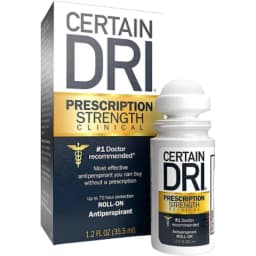
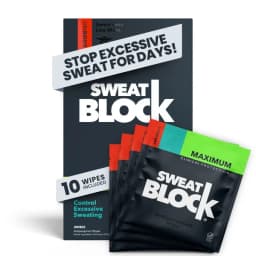
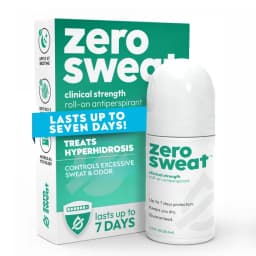
- If none of these is enough: a 15% aluminium chloride product such as Certain Dri, SweatBlock or ZeroSweat.
What "clinical strength" actually means
"Clinical strength" is a marketing term. It does not appear in the US rules for antiperspirants. Those rules are the FDA's over-the-counter antiperspirant monograph, 21 CFR Part 350. The monograph lists the aluminium salts a non-prescription antiperspirant may use and the maximum strength of each:
- Aluminium zirconium salts (tetrachlorohydrex gly, trichlorohydrex gly, octachlorohydrex gly and relatives): up to 20%.
- Aluminium sesquichlorohydrate and other aluminium chlorohydrate salts: up to 25%.
- Aluminium chloride: up to 15%, calculated as the hexahydrate, and only as a non-aerosol water-based solution.
The monograph also controls label claims. A product may say "extra effective" only if it has shown a 30% sweat reduction under the monograph's testing standard. The ordinary standard is 20%. So when a drugstore stick says "clinical strength", it usually means an aluminium zirconium salt at the 20% ceiling with an "extra effective" claim on the label. Vanicream's own FAQ puts it plainly: clinical strength means a higher concentration of the active ingredient, in its case aluminum zirconium trichlorohydrex gly 20%.
Two things follow. First, 20% of an aluminium zirconium salt is not the same as 20% aluminium chloride. They are different ingredients, and the percentage only compares products that use the same salt. Our guide to how clinical antiperspirants work ranks the salts. Aluminium chloride is at the top and zirconium salts are at the bottom. Second, "prescription strength" on an over-the-counter box is marketing too. Degree's Amazon listing calls its clinical stick "prescription-strength", and it is sold without a prescription.
The drugstore clinical strength sticks, label by label
All four of these labels tell you to apply the product at bedtime or before bed. That matches the advice for stronger antiperspirants: the active needs dry skin and quiet sweat glands to work. If you have been swiping it on after a morning shower, change that before you change brands.
Secret Clinical Strength (Free & Sensitive invisible solid)
Label active: aluminum zirconium tetrachlorohydrex gly 20% (anhydrous) | Format: invisible solid stick, 2.6 oz | Maker: Procter & Gamble
Secret Clinical comes in invisible solid, soft solid, clear gel and dry spray versions, and they do not all share one active. On DailyMed the invisible solids list 20% aluminum zirconium tetrachlorohydrex gly. The soft solids list 20% trichlorohydrex gly, the clear gels list 20% octachlorohydrex gly, and the Secret Clinical Dry sprays use aluminium sesquichlorohydrate. We picked the Free & Sensitive invisible solid because it avoids a strong scent. Its label says to apply at bedtime.
Suits: women, or anyone, who wants a drugstore stick that fits an ordinary routine and who sweats more than a regular antiperspirant can handle.
Honest cons: the name says Unscented, but the DailyMed inactive list includes fragrance. The "100 HR" on the pack is P&G's claim. And it is still a zirconium salt, below 15% aluminium chloride.
Degree Clinical Protection (Men, Clean)
Label active: aluminum zirconium tetrachlorohydrex gly 20% | Format: click-up soft solid, 1.7 oz | Maker: Unilever
The Degree Men Clinical Protection Clean label lists the same salt at the same 20% as the Secret stick above. It says "extra effective" and tells you to apply two clicks to each underarm before bed. Degree also sells women's Clinical Protection soft solids.
There is a catch. Degree now sells newer Degree Clinical 96H invisible solids, and their DailyMed labels list 17% aluminium sesquichlorohydrate, a different salt. Two sticks with "Degree Clinical" on the front can have different actives. Read the Drug Facts panel on the one you actually buy.
Suits: men who want the classic clinical soft solid and are happy with a fragranced product.
Honest cons: fragrance is on the ingredient list. "Prescription-strength" in the listing is marketing. The range now carries two different formulas under one name.
Dove Clinical Protection, now Dove Clinical + Care
Label active: aluminum zirconium tetrachlorohydrex gly 20% | Format: soft solid, 1.7 oz | Maker: Unilever
If you search for Dove Clinical Protection in the US, most of what you find is now branded Dove Clinical + Care. The Original Clean soft solid's DailyMed label lists 20% aluminum zirconium tetrachlorohydrex gly, the same active and strength as the Degree stick from the same company. The label also says "extra effective" and to apply two clicks per underarm before bed.
The Soft Sensitive invisible solid in the same range is a different formula. Its label lists 17% aluminium sesquichlorohydrate.
Suits: people who already like Dove's texture and scent and want the clinical version.
Honest cons: it is fragranced; the inactive list includes fragrance, linalool and eugenol. Like the others, it is a zirconium salt, not aluminium chloride.
Gillette Clinical (Soft Solid, Ultimate Fresh)
Label active: aluminum zirconium trichlorohydrex gly 20% (anhydrous) | Format: soft solid, 2.6 oz | Maker: Procter & Gamble
Gillette Clinical is P&G's men's line and the men's counterpart to Secret Clinical. The soft solid lists 20% aluminum zirconium trichlorohydrex gly, and the label says to apply three clicks at bedtime and rub in until clear. The Gillette Clinical clear gels list 20% aluminum zirconium octachlorohydrex gly instead.
Suits: men who prefer a soft solid or gel to a dry stick.
Honest cons: fragranced. The 100-hour claim on the pack is Gillette's. We have no evidence that trichlorohydrex at 20% works better or worse than tetrachlorohydrex at 20%, so do not pick between Gillette and Degree on the salt name.
Vanicream Anti-perspirant/Deodorant (sensitive skin)
Label active: aluminum zirconium trichlorohydrex gly 20% (anhydrous) | Format: solid stick, 2.25 oz | Maker: Pharmaceutical Specialties, Inc.
Vanicream is the sensitive-skin choice in this group. Its label claims "24 hour extra effective protection", and the brand calls it clinical strength. Vanicream says the stick is fragrance-free, and the label panel says it is free of fragrance, masking fragrance, lanolin, parabens and formaldehyde releasers. The active is the same class of zirconium salt at the same 20% as the big brands, so expect similar blocking power. The difference is what else is in the base.
We have not linked a buy button. When we checked on 30 September 2026, the single stick was temporarily out of stock on Amazon US, and we do not link to listings we cannot confirm are buyable.
Comparison table
| Product | Label active | % on label | Format | Scent |
|---|---|---|---|---|
| Secret Clinical Strength, Free & Sensitive | Aluminum zirconium tetrachlorohydrex gly | 20% | Invisible solid | Sold as Unscented; fragrance in inactive list |
| Degree Men Clinical Protection, Clean | Aluminum zirconium tetrachlorohydrex gly | 20% | Soft solid | Fragranced |
| Degree Clinical 96H invisible solids | Aluminum sesquichlorohydrate | 17% | Invisible solid | Fragranced |
| Dove Clinical + Care, Original Clean | Aluminum zirconium tetrachlorohydrex gly | 20% | Soft solid | Fragranced |
| Gillette Clinical, Ultimate Fresh | Aluminum zirconium trichlorohydrex gly | 20% | Soft solid | Fragranced |
| Vanicream Anti-perspirant/Deodorant | Aluminum zirconium trichlorohydrex gly | 20% | Solid | Fragrance-free (brand claim) |
| Certain Dri Prescription Strength | Aluminium chloride | 15% | Roll-on | Check the label |
| SweatBlock wipes | Aluminium chloride | 15% | Wipe | Check the label |
| ZeroSweat | Aluminium chloride | 15% | Roll-on | Check the label |
The first six rows are the drugstore clinical category. The last three use a stronger salt, and the monograph caps that salt at 15% without a prescription. Do not compare a 20% row with a 15% row as if the higher number wins.
When to step up to 15% aluminium chloride
Give a drugstore clinical stick a fair trial: apply it at night to completely dry skin for a couple of weeks. If you are still soaking through, a different zirconium stick is unlikely to change much. The next step is aluminium chloride.
- Certain Dri Prescription Strength is a roll-on. Its manufacturer publishes 15% aluminium chloride.
- SweatBlock is a wipe at 15% aluminium chloride. See SweatBlock vs Certain Dri for how the two compare.
- ZeroSweat is another 15% aluminium chloride roll-on.
Aluminium chloride stings more than zirconium salts, especially on damp or freshly shaved skin. Apply it at bedtime, wash it off in the morning and use your usual deodorant for odour during the day. Our clinical antiperspirants guide covers application and managing irritation.
When to go to prescription
If a correctly used 15% product is not enough, the US step after that is a prescription aluminium chloride solution such as Drysol, which is 20% aluminium chloride hexahydrate. OTC vs prescription antiperspirants sets out what changes. A doctor or dermatologist can also discuss options that are not antiperspirants at all.
The NHS advises seeing a GP if excessive sweating stops you getting on with daily life, has lasted six months or more, happens at night, or started while you were taking medicine for another condition. A doctor may look for an underlying cause. Every US antiperspirant label also says to ask a doctor before use if you have kidney disease.
A note for UK readers
We have not verified UK retail listings for the products on this page, so the buy links go to Amazon US only. UK readers also do not need them. The strongest antiperspirants you can buy here without a prescription are 20% aluminium chloride hexahydrate pharmacy medicines, and NICE CKS names that strength as the first treatment for primary hyperhidrosis. Start with our strongest antiperspirants in the UK or the wider best antiperspirants guide.
The bottom line
For everyday heavy sweating, pick any of the four big drugstore sticks by format and scent. On the label they are the same class of salt at the same 20%. If your skin is sensitive, Vanicream's fragrance-free base is the one to look for. If you have hyperhidrosis and a clinical stick has not worked, move to 15% aluminium chloride. Trying a fifth zirconium brand is unlikely to help.