You Are Not Alone: Teen Hyperhidrosis Is Common
If you are a teenager dealing with excessive sweating — or a parent watching your child struggle with it — know that hyperhidrosis in teenagers is far more common than most people realize. Research suggests that roughly 1 in 30 young people experiences some form of hyperhidrosis, and the condition most frequently begins during adolescence between the ages of 12 and 17.
The timing could not be worse. Adolescence is already a period of intense self-consciousness and social pressure. Add visibly sweaty hands, soaked shirts, or dripping foreheads to the mix, and the impact on a teenager's confidence, social life, and academic performance can be profound.
The important thing to know is this: hyperhidrosis is a real, recognized medical condition — not a hygiene issue, not something you are doing wrong, and not something you should just "deal with." Effective treatments exist, and several are used in younger patients — though whether a particular one is appropriate is a decision for a GP or dermatologist who knows your child.
Why Hyperhidrosis Often Starts in the Teen Years
Primary focal hyperhidrosis has a strong genetic component, but puberty often acts as the trigger that activates or worsens the condition. The hormonal changes of adolescence affect the sympathetic nervous system, which controls sweat gland activity. Even teenagers without a family history can develop hyperhidrosis during this period.
The most common areas affected in teenagers are:
- Palms (palmar hyperhidrosis) — Making it difficult to hold pens, use touchscreens, or shake hands
- Underarms (axillary hyperhidrosis) — Leading to visible sweat stains on clothing
- Feet (plantar hyperhidrosis) — Causing soggy socks, shoe odour, and skin problems
- Face and scalp (craniofacial hyperhidrosis) — Visible sweating that is particularly hard to conceal
Many teens experience sweating in multiple areas simultaneously.
The Hidden Impact: More Than Just Sweat
The physical discomfort of hyperhidrosis is obvious, but the emotional and social toll on teenagers is often underestimated. Studies published in Pediatric Dermatology have documented significant impacts including:
- Academic performance — Difficulty writing, handling papers, using keyboards and touchscreens, and participating in class
- Social withdrawal — Avoiding handshakes, physical contact, sports, and social gatherings
- Anxiety and depression — Up to 30% of teens with hyperhidrosis develop anxiety disorders. The condition frequently leads to social phobia.
- Bullying — Visible sweating can unfortunately make teens targets for teasing
- Self-esteem — Many teens with hyperhidrosis report feeling "broken" or ashamed of their bodies
If your teenager is struggling emotionally, addressing both the sweating and the psychological impact is essential. Therapy — particularly cognitive behavioural therapy (CBT) — can help teens develop coping strategies and build resilience.
Safe Treatments for Teenagers
Starting Point: OTC Antiperspirants
Over-the-counter clinical-strength antiperspirants are the logical first step. Products containing aluminium chlorohydrate or aluminium zirconium can be applied to hands, feet, and underarms. Key tips for teens:
- Apply to clean, completely dry skin at bedtime
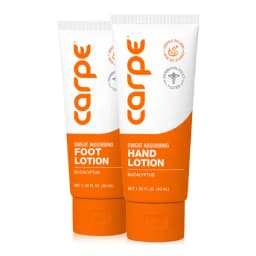
- For hand and foot antiperspirants, look for lotion formulations designed for these areas
- Give each product at least 2-3 weeks of consistent use before judging effectiveness
See our best antiperspirants roundup for products that work well for teens.
Prescription-Strength Topical Antiperspirants
If everyday antiperspirants are not enough, the next step in the UK is a 20% aluminium chloride hexahydrate solution such as Driclor or Anhydrol Forte. These are pharmacy (P) medicines — available over the counter, but sold under a pharmacist's supervision, so speak to the pharmacist about whether it is appropriate for your child's age and skin. Skin irritation is the most common side effect, particularly at first. Applying every other night to start with and building up gradually helps.
Iontophoresis
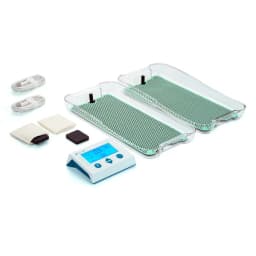
Iontophoresis is one of the best treatment options for teenagers with palmar and plantar hyperhidrosis. It is non-invasive and is used in children as well as adults, though suitability should be confirmed by a clinician. Side effects are usually minor — tingling, redness, dryness, occasionally small blisters — and it should be avoided in pregnancy, or with a pacemaker, metal implant in the treatment area, or epilepsy. It is one of the more reliable treatments available.
Home devices make the treatment practical for teen schedules. Initial daily sessions of 20-30 minutes taper to maintenance sessions 1-3 times per week. The main challenge is maintaining the treatment routine — parental support and encouragement can make a big difference here.
Learn more about setting up iontophoresis at home and explore our guide to the best iontophoresis machines.
Oral Medications
Anticholinergic medications like glycopyrrolate can be prescribed for teenagers and have shown effectiveness in pediatric studies. A study in Pediatric Dermatology found that glycopyrrolate was well-tolerated and effective in children and adolescents with hyperhidrosis.
However, side effects (dry mouth, constipation, occasionally difficulty concentrating) need to be weighed carefully for school-age patients. Many dermatologists start with low doses and titrate slowly. Some teens use these medications only on particularly challenging days (presentations, dances, exams) rather than daily.
Botox
While not typically a first-line treatment for teenagers, Botox injections may be considered for severe cases that have not responded to other treatments. Botulinum toxin is sometimes used in older adolescents, but this is a specialist decision and some clinicians use it in younger patients on a case-by-case basis.
What About ETS Surgery?
Endoscopic thoracic sympathectomy (ETS) is generally not recommended for teenagers. The risk of compensatory sweating is significant, and the procedure is irreversible. Most specialists advise waiting until adulthood and exhausting all other treatments before considering surgery.
Coping Strategies for School
Practical strategies can make the school day more manageable:
In the Classroom
- Keep a small towel or handkerchief in your backpack
- Use a pencil grip or wrap pens with athletic grip tape for better hold
- Consider a laptop for note-taking if hand sweating makes writing difficult (many schools will accommodate this with a medical note)
- Sit near a fan or window when possible
- Carry blotting papers or absorbent tissues
Social Situations
- Wear dark colours or patterns that camouflage sweat stains
- Layering with an undershirt can absorb underarm sweat before it reaches outer clothing
- Keep an extra shirt in your locker for midday changes
- Apply antiperspirant before gym class
Talking About It
Deciding whether to tell friends about hyperhidrosis is a personal choice. Many teens find that being open about it (even briefly: "I have a condition that makes me sweat more than normal") reduces anxiety and removes the secret-keeping burden. True friends are almost always understanding. If anyone responds with cruelty, that says everything about them and nothing about you.
Advice for Parents
If your child has hyperhidrosis, here is how you can help:
- Take it seriously. Do not dismiss excessive sweating as "just puberty" or tell your teen to "stop worrying about it." The condition is real and the distress is valid.
- See a dermatologist. A pediatric dermatologist or one experienced with hyperhidrosis can develop a treatment plan appropriate for your child's age.
- Be patient with treatment. Finding the right approach may take time and trial-and-error. Support your teen through the process.
- Watch for emotional impact. If your teen is avoiding social situations, declining in school performance, or showing signs of anxiety or depression, consider therapy alongside medical treatment.
- Advocate at school. If needed, work with the school to get accommodations (extra time for tests, ability to use a laptop, permission to change clothes).
- Normalise the conversation. Talking openly about the condition at home helps reduce shame.
Will They Grow Out of It?
Some teenagers do see improvement in their sweating as they move through adolescence and into adulthood, but hyperhidrosis is generally a chronic condition. Research suggests that while the severity may fluctuate over a lifetime, most people with primary hyperhidrosis continue to experience it into adulthood. The good news is that effective management strategies get easier with practice, and new treatments are continually being developed.
Sources
- Paller AS, Shah PR, Engel EA, Gozal D. Oral glycopyrrolate for the treatment of primary pediatric hyperhidrosis. Pediatric Dermatology. 2019;36(5):652-656.
- Bohaty BR, Hebert AA. Special considerations for children with hyperhidrosis. Dermatologic Clinics. 2014;32(4):477-484.
- International Hyperhidrosis Society. Hyperhidrosis in Children and Teens. SweatHelp.org.
- Strutton DR, Kowalski JW, Glaser DA, Stang PE. US prevalence of hyperhidrosis and impact on individuals with axillary hyperhidrosis. Journal of the American Academy of Dermatology. 2004;51(2):241-248.