Understanding Scalp Sweating Hyperhidrosis
Scalp sweating hyperhidrosis is a form of excessive sweating that affects the head and scalp, causing hair to become visibly wet, dripping sweat down the forehead and neck, and creating persistent discomfort throughout the day. For the millions of people affected, this condition goes far beyond normal perspiration during exercise or heat. It can soak through hairstyles within minutes, stain pillowcases nightly, and create a constant source of social anxiety.
The scalp contains one of the highest concentrations of eccrine sweat glands in the entire body — approximately 360 glands per square centimeter. When these glands become overactive due to hyperhidrosis, the result is heavy, persistent sweating that is extremely difficult to conceal. Scalp sweating frequently overlaps with neck sweating, and if you sweat heavily through your torso as well, our back sweating guide covers that area in detail.
What Causes Excessive Scalp Sweating?
Understanding the root cause of your scalp sweating is essential for finding the right treatment. The causes fall into two broad categories.
Primary Craniofacial Hyperhidrosis
Primary hyperhidrosis is the most common cause of excessive scalp sweating. It results from an overactive sympathetic nervous system that sends too many signals to the eccrine sweat glands. Key characteristics include:
- Bilateral (affects both sides of the head equally)
- Often begins during puberty or early adulthood
- Tends to run in families — studies suggest a genetic component in up to 65% of cases
- Does not occur during sleep
- Not linked to any underlying medical condition
Secondary Causes
If scalp sweating developed later in life or appears alongside other symptoms, it may be secondary to another condition:
- Menopause: Hormonal fluctuations trigger hot flashes that concentrate on the head, face, and neck
- Hyperthyroidism: An overactive thyroid gland accelerates metabolism and sweating
- Obesity: Increased body mass raises core temperature and sweat output, particularly from the head
- Neurological conditions: Parkinson's disease, stroke, and spinal cord injuries can disrupt sweat regulation
- Medications: Antidepressants (SSRIs, SNRIs), opioids, and some blood pressure medications list excessive sweating as a side effect
- Night sweats: If scalp sweating occurs primarily during sleep, consider infections, lymphoma, or hormonal disorders
Medical Treatments for Scalp Sweating
Several evidence-based treatments can significantly reduce or eliminate scalp sweating.
Topical Antiperspirants for the Scalp
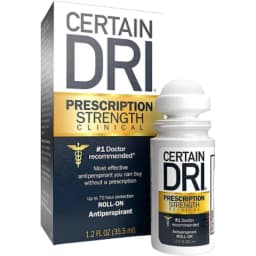
Aluminium chloride-based antiperspirants can be applied to the scalp, though the process requires more care than underarm application. Products containing 10-20% aluminium chloride hexahydrate are most commonly used.
How to apply antiperspirant to the scalp:
- Part your hair in sections to expose the scalp
- Apply the solution directly to dry scalp skin at bedtime
- Cover with a shower cap to prevent transfer to your pillow
- Wash out in the morning with a gentle shampoo
- Start with every-other-night applications to test tolerance
Irritation, itching, and dryness are common side effects. If irritation occurs, reduce application frequency or switch to a lower concentration. Check our guide to the best antiperspirants for hyperhidrosis for product recommendations.
Botox Injections for the Scalp
Botulinum toxin injections are among the most effective treatments for scalp sweating hyperhidrosis. Botox blocks the neurotransmitter acetylcholine from reaching sweat glands, temporarily shutting down their activity.
Clinicians do use botulinum toxin for scalp sweating, off-label. Reports describe a large reduction for a period of months, but this page is not quoting a percentage until the paper can sit next to the figure. In the UK this is rarely an NHS-funded treatment. Ask a GP what your area actually offers.
What to expect from scalp Botox:
- The treatment involves multiple small injections spaced about 1-2 cm apart across the sweating area
- Numbing cream or ice is applied beforehand to minimise discomfort
- The procedure takes 30-45 minutes depending on the treatment area
- Results begin within 3-7 days, with peak effect at 2 weeks
- No downtime — you can return to normal activities immediately
The main drawback is cost, typically $1,000-$2,000 (about £744–1,487) per session, and the need for repeat treatments every 4-7 months. Read our full Botox for sweating guide for insurance coverage details and what to ask your provider.
Prescription Oral Medications
When scalp sweating is widespread or combined with sweating in other areas, oral medications offer systemic relief.
Glycopyrrolate is the most commonly prescribed oral anticholinergic for hyperhidrosis. Doses of 1-2 mg taken two to three times daily can substantially reduce scalp sweating. Side effects include dry mouth, blurred vision, constipation, and urinary retention. Learn more in our prescription medications guide.
Oxybutynin is another anticholinergic option, typically prescribed at 2.5-5 mg twice daily. A large Brazilian study found it effective in a majority of patients with craniofacial hyperhidrosis.
Clonidine can be particularly helpful when scalp sweating is triggered by anxiety, social situations, or menopausal hot flashes. It works by reducing sympathetic nervous system activity.
Iontophoresis for the Scalp
While iontophoresis is most commonly used for hands and feet, specialised applicators exist for scalp treatment. The process involves placing a wet sponge electrode on the scalp and passing a mild electrical current through it to temporarily block sweat gland function. Results require consistent initial sessions (typically 3-4 per week for 2-3 weeks) followed by maintenance treatments.
Hairstyle Tips for Managing Scalp Sweating
The right hairstyle can make a significant difference in how scalp sweating affects your daily life.
Best Hairstyles for Excessive Scalp Sweating
- Shorter cuts: Less hair means less insulation trapping heat against the scalp, and sweat dries more quickly
- Layered styles: Layers allow airflow between hair sections, promoting evaporation
- Updos and ponytails: Pulling hair off the neck and away from the scalp improves ventilation
- Textured crops: Short, textured styles disguise dampness better than sleek, flat styles
Hairstyles to Avoid
- Thick bangs that trap heat against the forehead
- Tight braids or cornrows that restrict airflow
- Heavy extensions or weaves that add insulation
- Slicked-back styles that highlight any dampness
Hair Products That Help
- Dry shampoo: Apply preemptively to absorb sweat before it becomes visible. Powder-based formulas work better than aerosol sprays for this purpose
- Volumizing mousse or powder: Creates texture that hides dampness
- Scalp-specific antiperspirant sprays: Several brands now make antiperspirant formulated specifically for scalp application
- Sweat-wicking headbands: Worn under hair or at the hairline, these prevent dripping
Lifestyle Strategies for Scalp Sweating Relief
Temperature Management
- Keep your living and working spaces cool (68-72 degrees Fahrenheit)
- Use a desktop or portable fan directed at your head
- Carry a handheld fan in warm weather
- Avoid hats and head coverings when possible — despite the instinct to hide sweating, they trap heat
Exercise Modifications
- Exercise in air-conditioned environments when possible
- Wear moisture-wicking headbands during workouts
- Keep a cool towel nearby and drape it over your neck between sets
- Consider swimming as a primary exercise — it keeps your body cool while providing excellent cardio
Sleep Improvements
- Use moisture-wicking pillowcases (bamboo or performance fabric)
- Keep your bedroom temperature at or below 67 degrees Fahrenheit
- Use a cooling pillow designed to dissipate heat
- Consider a bedside fan directed at your head
When to See a Doctor
Seek medical evaluation for scalp sweating if:
- Sweating disrupts your work, social life, or emotional well-being
- It started suddenly or worsened dramatically
- You experience night sweats that soak your pillow
- Sweating is accompanied by weight loss, fever, or rapid heartbeat
- Over-the-counter products have not provided adequate relief
A dermatologist specializing in hyperhidrosis can conduct a thorough evaluation and develop a treatment plan tailored to your specific needs.
Sources
- Nawrocki S, Cha J. "The etiology, diagnosis, and management of hyperhidrosis: A comprehensive review." Journal of the American Academy of Dermatology. 2019;81(3):657-666.
- Heckmann M, et al. "Botulinum toxin type A injection in the treatment of gustatory sweating (Frey syndrome) and craniofacial hyperhidrosis." British Journal of Dermatology. 2001;145(2):249-253.
- Wolosker N, et al. "Use of oxybutynin for treating craniofacial hyperhidrosis." Revista da Associacao Medica Brasileira. 2015;61(1):10-14.
- International Hyperhidrosis Society. "Craniofacial Hyperhidrosis." SweatHelp.org.
- Strutton DR, et al. "US prevalence of hyperhidrosis and impact on individuals with axillary hyperhidrosis." Journal of the American Academy of Dermatology. 2004;51(2):241-248.