Why Does My Neck Sweat So Much?
Understanding neck sweating causes is the first step toward finding lasting relief. The neck is one of the body's primary heat-exchange zones — blood vessels run close to the surface, and the skin is thin and highly vascularized. This makes the neck efficient at releasing heat but also exceptionally prone to visible perspiration.
Excessive neck sweating, whether focused on the back of the neck (posterior cervical area), the sides, or the front near the throat, creates a cascade of frustrating problems. Collars become damp and stained. Hair at the nape of the neck stays constantly wet. Sweat drips down onto clothing. And the visible moisture draws unwanted attention in professional and social settings.
For people with neck hyperhidrosis, this is not just a minor inconvenience — it is a daily challenge that affects clothing choices, confidence, and quality of life. Neck sweating also frequently overlaps with scalp sweating and chest sweating, and many of the same treatments apply.
Common Neck Sweating Causes
Primary Hyperhidrosis
Primary craniofacial and truncal hyperhidrosis can include the neck as a prominent sweating zone. When overactive sympathetic nerves stimulate the eccrine glands in the neck beyond what thermoregulation requires, the result is persistent dampness unrelated to heat or exertion.
Heat Exposure and Poor Ventilation
The neck is particularly vulnerable to trapped heat. Collared shirts, scarves, ties, necklaces, and long hair all restrict airflow around the neck, creating a microclimate of warmth and humidity. Even people without hyperhidrosis may experience notable neck sweating in these conditions — but for those with overactive glands, the effect is amplified dramatically.
Hormonal Changes
The neck is one of the most common sites for hormonal sweating:
- Menopause: Hot flashes frequently concentrate on the neck, upper chest, and face
- Thyroid disorders: An overactive thyroid increases metabolic heat production, which the body tries to dissipate through the neck and head
- Pregnancy: Increased blood volume and hormonal shifts can trigger neck and chest sweating
Anxiety and Emotional Triggers
The neck responds intensely to emotional stress. Many people notice neck sweating as one of the first physical signs of anxiety, nervousness, or embarrassment. This is because the fight-or-flight response dilates blood vessels near the skin surface, raising skin temperature and triggering sweat production.
Compensatory Sweating
Patients who have undergone endoscopic thoracic sympathectomy (ETS) for palmar or axillary hyperhidrosis frequently develop compensatory sweating on the neck, back, and trunk. This post-surgical sweating can sometimes be more distressing than the original condition.
Medications
Certain medications increase neck sweating:
- Antidepressants (SSRIs and SNRIs)
- Opioid pain medications
- Hormonal treatments (tamoxifen, GnRH agonists)
- Some diabetes medications
Solutions for Neck Sweating
Topical Antiperspirants
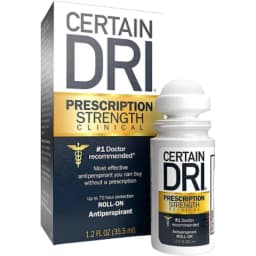
Antiperspirants containing aluminium chloride can be applied to the neck to reduce sweating. Because neck skin is relatively thin and sensitive, careful product selection and application are important.
Application guidelines:
- Use a product with 10-15% aluminium chloride for the neck (lower than what you might use under your arms)
- Apply at night to clean, completely dry skin
- Focus on the back of the neck and sides where sweating is heaviest
- Avoid the front of the throat and any areas where skin is irritated
- Start with applications every other night to assess tolerance
- In the morning, wash the treated area gently
Explore our clinical antiperspirants guide for product recommendations suitable for sensitive areas.
Topical Glycopyrrolate
Compounded glycopyrrolate cream or solution (1-2% concentration) applied to the neck can reduce localized sweating with fewer irritation concerns than aluminium chloride. This requires a prescription from a dermatologist and preparation by a compounding pharmacy.
Oral Medications
When neck sweating is part of a broader hyperhidrosis pattern, systemic medications may be the most practical approach:
- Glycopyrrolate: 1-2 mg taken two to three times daily
- Oxybutynin: 2.5-5 mg twice daily
- Clonidine: Particularly effective when neck sweating is triggered by anxiety or menopausal hot flashes
These medications reduce sweating throughout the body, which is beneficial when multiple areas are affected but means dry mouth and other anticholinergic side effects cannot be targeted to the neck alone.
Botox Injections
Botulinum toxin can be injected into the neck to block sweat gland signaling. The posterior neck is the most commonly treated area. Results typically last 4-6 months, and the procedure is well-tolerated with minimal side effects when performed by an experienced provider. Learn more in our Botox for sweating guide.
Preventing Collar Stains
Yellow collar stains are one of the most visible consequences of neck sweating. These stains result from the reaction between aluminium in antiperspirants, proteins in sweat, and fabric dyes.
Prevention Strategies
- Apply antiperspirant at night and wash it off in the morning before getting dressed — this reduces the amount of aluminium that transfers to collars
- Use a collar protector strip — adhesive fabric strips placed inside the collar absorb sweat and oil before they reach the fabric
- Treat collars preemptively — apply a thin line of clear laundry stain remover to the collar before wearing
- Choose wrinkle-free or treated dress shirts — many modern dress shirts have stain-resistant coatings that prevent sweat absorption
Removing Existing Collar Stains
- Soak the collar in a mixture of hydrogen peroxide, baking soda, and dish soap for 30 minutes before washing
- Enzyme-based stain removers (like OxiClean) break down the protein component of sweat stains
- White vinegar applied before washing can help dissolve mineral deposits from antiperspirant
- For white shirts, a paste of baking soda and water scrubbed into the stain before laundering is effective
Clothing Tips for Neck Sweating
Collar Styles
- Open collars and V-necks allow maximum airflow and minimise sweat trapping
- Mandarin and band collars sit lower and may cause less contact than traditional button-down collars
- Spread collars create more space between the collar and neck than point collars
- Avoid turtlenecks and mock necks which trap heat and moisture completely
Fabric Choices
- Linen and linen blends offer excellent breathability for warm-weather wear
- Lightweight cotton provides reasonable airflow in casual settings
- Performance dress fabrics combine a professional appearance with moisture-wicking properties
- Avoid polyester without moisture-wicking treatment — it traps heat against the neck
Accessories
- Cooling towels: Worn around the neck, these specialty towels use evaporative cooling to lower skin temperature
- Moisture-wicking neck gaiters: In outdoor or athletic settings, these prevent sweat from dripping down your back
- Loose scarves in breathable fabric: For women, a strategically draped lightweight scarf can absorb neck sweat while looking intentional
Lifestyle Modifications
Hairstyle Considerations
For people with longer hair, keeping hair off the neck makes a substantial difference:
- Updos, ponytails, and buns dramatically improve airflow
- Shorter cuts that clear the nape of the neck reduce heat trapping
- Braids can help manage hair while still allowing some airflow
Cooling Techniques
- Apply a cold cloth or ice pack to the back of the neck before situations where sweating is anticipated
- Keep your workplace or home temperature at 68-72 degrees Fahrenheit
- Use a neck fan — small, wearable fans that hang around the neck and direct airflow upward
- Stay hydrated; dehydration can paradoxically increase sweat concentration and skin irritation
Stress Management
Because the neck is so responsive to emotional triggers:
- Practice deep breathing exercises (4-7-8 pattern: inhale 4 counts, hold 7, exhale 8)
- Consider cognitive behavioural therapy if anxiety is a significant trigger
- Regular exercise helps regulate the sympathetic nervous system over time
- Mindfulness meditation reduces baseline stress levels
When to See a Doctor
Consult a healthcare provider about neck sweating if:
- It interferes with your daily comfort, clothing choices, or confidence
- Night sweats soak your pillow or neck area
- Sweating started suddenly or has increased significantly
- You notice sweating on only one side of the neck
- It is accompanied by a lump in the neck, unexplained weight loss, or fever
- Over-the-counter treatments have not helped after consistent use for four to six weeks
A dermatologist can evaluate whether your neck sweating is primary hyperhidrosis or secondary to another condition, and can recommend targeted treatments. Our best antiperspirants guide is a good starting point while you wait for your appointment.
Sources
- Nawrocki S, Cha J. "The etiology, diagnosis, and management of hyperhidrosis: A comprehensive review." Journal of the American Academy of Dermatology. 2019;81(3):657-666.
- Grabell DA, Hebert AA. "Current and emerging medical therapies for primary hyperhidrosis." Dermatology and Therapy. 2017;7(1):25-36.
- International Hyperhidrosis Society. "Craniofacial Hyperhidrosis." SweatHelp.org.
- Freedman RR. "Menopausal hot flashes: Mechanisms, endocrinology, treatment." Journal of Steroid Biochemistry and Molecular Biology. 2014;142:115-120.
- Walling HW, Swick BL. "Treatment options for hyperhidrosis." American Journal of Clinical Dermatology. 2011;12(5):285-295.