Understanding Groin Sweating and Why It Happens
Groin sweating treatment is a topic few people feel comfortable discussing, even with their doctor. But excessive sweating in the groin, inner thighs, and buttocks area — medically known as inguinal hyperhidrosis — is surprisingly common and deeply impactful on daily life. From chafing and skin irritation to embarrassing wet marks on clothing, untreated groin sweating can affect everything from physical comfort to intimacy and self-confidence.
The groin region is naturally predisposed to sweating. It contains both eccrine and apocrine sweat glands, is covered by clothing most of the day, has skin-to-skin contact surfaces, and receives minimal airflow. In people with hyperhidrosis, these factors combine to create persistent, excessive moisture that goes well beyond normal perspiration.
What Causes Excessive Groin Sweating?
Anatomy and Environment
The groin area is one of the warmest regions of the body. Skin folds, dense hair follicles, and constant clothing coverage create an environment where even normal sweat has difficulty evaporating. Add overactive sweat glands to this equation, and the result is chronic moisture.
Primary Hyperhidrosis
Primary hyperhidrosis can affect the groin area, though it more commonly targets the palms, soles, underarms, and face. When the groin is the primary site, it is sometimes classified as truncal hyperhidrosis, alongside back sweating and chest sweating. Characteristics of primary groin hyperhidrosis include:
- Symmetric sweating affecting both sides
- Onset during puberty or young adulthood
- Absent during sleep
- No identifiable underlying medical cause
- Often accompanied by sweating in other areas
Secondary Causes
Several conditions can trigger or worsen groin sweating:
- Obesity: Excess weight increases skin folds and heat generation in the groin area
- Fungal infections: Jock itch (tinea cruris) can increase localized sweating as the body attempts to cool inflamed tissue
- Intertrigo: This inflammatory condition develops in moist skin folds and creates a cycle of sweating and irritation
- Hormonal changes: Menopause, low testosterone, and thyroid disorders
- Medications: SSRIs, hormonal therapies, and some diabetes medications
- Tight clothing: Synthetic fabrics and restrictive garments trap heat and block evaporation
Powder-Based Solutions for Groin Sweating
Body powders are the most popular first-line groin sweating treatment because they are easy to apply, widely available, and generally well-tolerated in the sensitive groin area.
Types of Body Powder
Talc-free body powders are the recommended choice for groin application. Modern formulations use cornstarch, tapioca starch, arrowroot, or kaolin clay as base ingredients. These absorb moisture effectively without the health concerns historically associated with talc-based powders.
Medicated powders containing antifungal agents (such as miconazole or clotrimazole) serve double duty — absorbing moisture while preventing the fungal infections that thrive in warm, damp environments.
Specialty chassis and performance powders are designed specifically for the groin area. These products typically combine moisture-absorbing ingredients with friction-reducing compounds and mild antibacterial agents.
How to Apply Powder Effectively
- Ensure the groin area is completely dry before application — apply after showering and toweling off thoroughly
- Use a moderate amount; excessive powder can clump and create paste-like buildup
- Reapply at midday if sweating is heavy, using a restroom for privacy
- Consider carrying individual powder packets or a small travel container for on-the-go use
- Apply to both the skin and the inside of your underwear for maximum absorption
Antiperspirants for the Groin Area
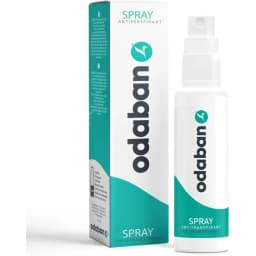
Yes, you can use antiperspirant on your groin — and for many people with inguinal hyperhidrosis, it is more effective than powder alone.
Choosing a Groin-Safe Antiperspirant
The groin skin is thinner and more sensitive than underarm skin, so product selection matters:
- Start with a lower concentration (10-12% aluminium chloride) before trying clinical-strength formulas
- Choose fragrance-free formulations to minimise irritation
- Gel or roll-on formats are easier to apply to contoured skin than solids or aerosols
- Avoid products containing alcohol, which can cause stinging on sensitive tissue
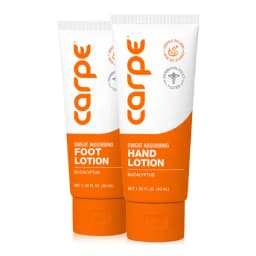
- Specialty products like Carpe Groin Powder Lotion are specifically formulated for this area
For a detailed comparison of products, visit our best antiperspirants guide and our overview of clinical antiperspirants.
Application Tips
- Apply at night to clean, dry skin — this gives the aluminium salts time to form plugs in sweat ducts while glands are least active
- Avoid applying immediately after shaving or waxing, as this significantly increases irritation risk
- Do not apply to broken, cut, or irritated skin
- If stinging occurs, apply a thin layer of petroleum jelly to the most sensitive areas before the antiperspirant
Clothing Choices That Reduce Groin Sweating
What you wear against your groin has a major impact on moisture levels and comfort.
Underwear
- Best materials: Moisture-wicking performance fabrics (nylon-spandex blends, modal, bamboo viscose)
- Worst materials: Standard cotton (absorbs and holds moisture against skin), polyester without wicking treatment
- Best styles: Boxer briefs or compression shorts that reduce skin-on-skin contact and prevent chafing
- Features to look for: Mesh ventilation panels, antimicrobial treatment, flatlock seams to prevent chafing
Pants and Shorts
- Looser fits allow more airflow
- Lightweight, breathable fabrics are preferable to heavy denim or dress pants
- Some performance dress pants use moisture-wicking fabric that looks professional but functions like athletic wear
- Dark colours and patterns hide any moisture marks
Anti-Chafing Products
Chafing is one of the most painful consequences of groin sweating. Anti-chafing balms and creams create a friction-reducing barrier between skin surfaces:
- Petroleum jelly-based products provide long-lasting protection
- Silicone-based anti-chafe sticks go on dry and do not stain clothing
- Some products combine anti-chafing with antiperspirant properties
Medical Treatments for Groin Hyperhidrosis
When over-the-counter solutions are not enough, medical interventions can provide substantial relief.
Prescription Topical Treatments
Compounded glycopyrrolate cream (1-2% concentration) can be applied directly to the groin area. This anticholinergic agent blocks the nerve signals that trigger sweat production without the systemic side effects of oral medications. A prescription is required, and the cream is prepared by a compounding pharmacy.
Oral Medications
Systemic anticholinergic medications such as glycopyrrolate or oxybutynin can reduce sweating throughout the body, including the groin. These are most useful when groin sweating occurs alongside sweating in other areas. Common side effects include dry mouth, constipation, and blurred vision.
Botox Injections
Botulinum toxin injections can be used for inguinal hyperhidrosis, though this application is less common than axillary Botox. The treatment involves multiple small injections across the affected area and can substantially reduce sweating for 4-6 months per session. Discuss the benefits and risks with a dermatologist experienced in genital-area Botox.
Laser Treatments
Laser sweat ablation and microwave-based treatments (like miraDry) are primarily designed for underarm use. As of 2026, there are no FDA-cleared energy-based devices specifically approved for groin hyperhidrosis, though research is ongoing.
Hygiene and Skin Care
Keeping the groin area healthy is essential when dealing with excessive sweating.
Daily Hygiene Routine
- Shower daily with a gentle, pH-balanced cleanser (avoid harsh soaps that strip protective oils)
- Dry thoroughly — pat dry with a clean towel, and consider using a hair dryer on a cool setting for complete drying
- Apply antiperspirant or powder
- Change underwear if it becomes saturated during the day
- Shower again after exercise or heavy sweating
Preventing Secondary Skin Issues
Chronic groin moisture creates an environment ripe for skin problems:
- Fungal infections (jock itch): Use antifungal powder preventively if you are prone to infections
- Bacterial infections: Antimicrobial body washes containing chlorhexidine can reduce bacterial colonization
- Intertrigo: Keep skin folds separated with moisture-wicking fabric and apply barrier creams
- Folliculitis: Avoid tight clothing that traps sweat against hair follicles
When to See a Doctor
Consult a healthcare provider about groin sweating if:
- The sweating causes significant distress, chafing, or skin damage
- You develop recurrent fungal or bacterial skin infections
- Sweating is accompanied by unusual odour changes (which could indicate infection)
- Over-the-counter products have not provided adequate relief
- You notice asymmetric sweating or sweating on only one side
- The sweating started suddenly without an obvious cause
Sources
- Grabell DA, Hebert AA. "Current and emerging medical therapies for primary hyperhidrosis." Dermatology and Therapy. 2017;7(1):25-36.
- Nawrocki S, Cha J. "The etiology, diagnosis, and management of hyperhidrosis: A comprehensive review." Journal of the American Academy of Dermatology. 2019;81(3):657-666.
- International Hyperhidrosis Society. "Treatments for Hyperhidrosis." SweatHelp.org.
- Walling HW, Swick BL. "Treatment options for hyperhidrosis." American Journal of Clinical Dermatology. 2011;12(5):285-295.
- Kamudoni P, et al. "The impact of hyperhidrosis on patients' daily life and quality of life: A qualitative investigation." Health and Quality of Life Outcomes. 2017;15(1):121.