Why Does My Chest Sweat So Much?
Chest sweating is a frustrating form of truncal hyperhidrosis that leaves visible wet marks on shirts, creates discomfort throughout the day, and can even cause skin irritation beneath the breasts or along the sternum. While most people associate hyperhidrosis with the underarms or palms, the chest is a common — and often overlooked — area of excessive sweating that affects millions of people.
The chest houses a significant concentration of eccrine sweat glands spread across the sternum, upper chest, and beneath the breast tissue. In people with truncal hyperhidrosis, these glands produce sweat disproportionate to the body's cooling needs, resulting in persistent dampness even in cool, calm environments. If your sweating extends beyond the chest, our guides to back sweating and groin sweating cover those areas in detail.
Common Causes of Chest Sweating
Understanding what triggers your chest sweating is the first step toward effective management.
Primary Hyperhidrosis
Primary truncal hyperhidrosis — including the chest — is a recognized medical condition caused by overactivity in the sympathetic nervous system. The eccrine sweat glands receive excessive nerve stimulation, producing sweat without a proportionate heat or stress stimulus.
Primary chest sweating typically:
- Starts during puberty or early adulthood
- Affects both sides of the chest symmetrically
- Stops during sleep
- Often co-occurs with sweating in other areas (underarms, back, face)
- Has a familial component in many cases
Hormonal Causes
Hormonal fluctuations are one of the most common causes of chest sweating, particularly in women:
- Menopause and perimenopause: Hot flashes frequently concentrate on the chest, face, and neck. Studies show that up to 80% of menopausal women experience hot flashes, with chest sweating being among the most reported symptoms
- Pregnancy: Increased blood volume and hormonal shifts can trigger chest sweating, especially during the third trimester and postpartum period
- Thyroid disorders: Hyperthyroidism accelerates metabolism and sweating, including across the chest
- Low testosterone: In men, declining testosterone levels can trigger episodes similar to hot flashes
Anxiety and Stress
The chest is highly responsive to emotional triggers. Stress activates the sympathetic nervous system, which directly stimulates sweat glands across the trunk. For people who already have hyperhidrosis, anxiety about sweating itself can trigger a vicious cycle — worrying about chest sweat causes more chest sweat.
Medications
Several medication classes list chest or generalized sweating as a side effect:
- Selective serotonin reuptake inhibitors (SSRIs) and other antidepressants
- Hormonal therapies including tamoxifen and aromatase inhibitors
- Opioid pain medications
- Diabetes medications, particularly insulin (sweating can also indicate hypoglycemia)
- Some blood pressure medications
Diet and Lifestyle
- Spicy foods trigger gustatory sweating that can affect the chest
- Alcohol causes vasodilation and increased sweating
- Caffeine stimulates the sympathetic nervous system
- Large, heavy meals can raise core body temperature
Undershirt Solutions for Chest Sweating
Wearing the right undershirt is one of the most immediately effective chest sweating solutions available.
Sweat-Proof Undershirts
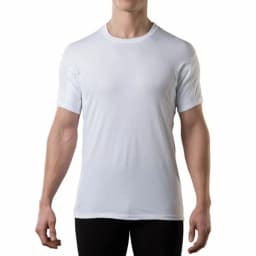
Sweat-proof undershirts are specifically engineered to prevent moisture from reaching your outer clothing. They work through a combination of moisture-wicking inner fabric, a waterproof barrier layer, and an outer layer that stays dry.
The Thompson Tee is one of the most popular options in this category. While its primary focus is underarm sweat protection, the moisture-wicking fabric throughout the garment also helps manage chest perspiration. For a detailed assessment, read our Thompson Tee review.
Explore our complete guide to the best sweat-proof undershirts for additional options, including deep V-neck styles that remain hidden under dress shirts.
Choosing the Right Undershirt Material
- Merino wool: Naturally moisture-wicking, antimicrobial, and temperature-regulating — excellent for chest sweat management despite the counterintuitive idea of wearing wool
- Bamboo viscose: Soft, breathable, and absorbs more moisture than cotton before feeling wet
- Performance polyester/nylon blends: Engineered to move moisture from skin to fabric surface where it evaporates quickly
- Avoid cotton: Standard cotton absorbs moisture and holds it against your skin, making wet marks more visible and taking longer to dry
Undershirt Fit
A properly fitting undershirt should be snug enough to sit against your skin (so it can absorb sweat before it reaches your outer shirt) but not so tight that it restricts airflow or feels uncomfortable. V-neck styles prevent the undershirt from showing at the collar of a dress shirt or polo.
Antiperspirants for the Chest
Antiperspirants are not just for underarms. Applied to the chest, they can significantly reduce sweating in this area.
How to Apply
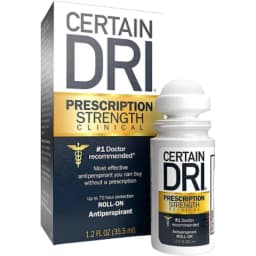
- Apply clinical-strength antiperspirant (10-15% aluminium chloride) to the chest at bedtime
- Ensure skin is completely clean and dry before application
- Focus on the areas where sweating is heaviest — typically the sternum and upper chest
- For women, apply to the under-breast area where moisture tends to collect
- Use a roll-on or gel formula for even coverage
- Start with every-other-night application and increase to nightly if tolerated
Products to Consider
Gel-based and spray antiperspirants work well on the broad, flat surface of the chest. Specialty antiperspirant lotions designed for body use provide even coverage without the sticky feel that some roll-ons leave behind. Our best antiperspirants guide includes options specifically suitable for body application.
Medical Treatments
For chest sweating that does not respond to undershirts and antiperspirants, several medical treatments are available.
Oral Medications
Anticholinergic medications reduce sweating systemically. They are particularly well-suited for truncal hyperhidrosis because the large treatment area makes topical approaches and Botox impractical for many patients.
- Glycopyrrolate (1-2 mg, two to three times daily): Most commonly prescribed for truncal sweating
- Oxybutynin (2.5-5 mg, twice daily): Good efficacy for trunk sweating with the added option of extended-release formulation
- Propantheline: An older anticholinergic option, less commonly used today
Side effects include dry mouth, constipation, blurred vision, and difficulty urinating. Your doctor will start at the lowest dose and titrate upward to find the minimum effective dose.
Botox Injections
Botox can be injected across the chest to block sweat gland activity. This approach works well for localized areas of heavy sweating (such as the sternum or under-breast area) but becomes expensive and time-consuming when the entire chest needs treatment. Each session lasts approximately 4-6 months.
Topical Glycopyrrolate
Compounded glycopyrrolate cream or solution (1-2%) can be applied directly to the chest. This provides localized anticholinergic action without the systemic side effects of oral medications. A prescription and compounding pharmacy are required.
When Chest Sweating Signals Something Else
While chest sweating is usually caused by hyperhidrosis, hormones, or medication side effects, certain patterns warrant medical attention.
Red Flags to Watch For
- Night sweats that soak your sheets: Drenching night sweats can be associated with infections (such as tuberculosis), lymphoma, and other serious conditions
- Chest sweating with chest pain: Profuse sweating combined with chest pain, pressure, or shortness of breath may indicate a cardiac event — seek emergency care immediately
- Sudden onset with weight loss: Unexplained weight loss alongside new excessive sweating may signal thyroid disorders, infections, or malignancies
- One-sided sweating: Sweating on only one side of the chest could indicate a neurological issue affecting the sympathetic chain
- Sweating accompanied by flushing and rapid heartbeat: This pattern may suggest carcinoid syndrome or pheochromocytoma, both of which require medical evaluation
When to See Your Doctor
Schedule an appointment if:
- Chest sweating interferes with daily activities or causes significant distress
- You have not had a physical exam to rule out secondary causes
- Over-the-counter treatments have been ineffective for four or more weeks
- You experience any of the red flags listed above
- Sweating is accompanied by recurring skin infections or rashes beneath the breasts
Managing Chest Sweating in Specific Situations
At Work
- Wear a sweat-proof undershirt under professional attire
- Keep a spare shirt in your desk or locker
- Use a desk fan to promote airflow
- Choose breathable fabrics for dress shirts — cotton-linen blends and performance dress shirts are widely available
During Exercise
- Wear moisture-wicking athletic tops
- Bring a towel to wipe down between activities
- Choose gyms with good air conditioning and ventilation
- Change out of sweaty workout clothes immediately after exercise
For Women
Under-breast sweating (inframammary hyperhidrosis) is a specific challenge. Strategies include:
- Wearing bras with moisture-wicking fabric and mesh panels
- Placing thin cotton liners or specialty bra liners beneath the breast
- Applying antiperspirant or barrier cream to the under-breast fold
- Choosing wireless bras that allow more airflow than underwire styles
Sources
- Nawrocki S, Cha J. "The etiology, diagnosis, and management of hyperhidrosis: A comprehensive review." Journal of the American Academy of Dermatology. 2019;81(3):657-666.
- Grabell DA, Hebert AA. "Current and emerging medical therapies for primary hyperhidrosis." Dermatology and Therapy. 2017;7(1):25-36.
- Freedman RR. "Menopausal hot flashes: Mechanisms, endocrinology, treatment." Journal of Steroid Biochemistry and Molecular Biology. 2014;142:115-120.
- International Hyperhidrosis Society. "Truncal Hyperhidrosis." SweatHelp.org.
- Walling HW, Swick BL. "Treatment options for hyperhidrosis." American Journal of Clinical Dermatology. 2011;12(5):285-295.