The Difference That Matters for Excessive Sweating
The antiperspirant vs. deodorant distinction is one of the most important things to understand if you live with hyperhidrosis. These two products are fundamentally different, and choosing the wrong one means you are fighting excessive sweating with a product that was never designed to help.
Here is the essential difference: antiperspirant reduces how much you sweat. Deodorant reduces how much you smell. If excessive sweating is your problem, you need an antiperspirant — and ideally, a clinical-strength one.
How Deodorant Works
Deodorant is designed to combat body odour, not sweat volume. It typically works through one or more of these mechanisms:
Masking Odour
Most deodorants contain fragrances that cover up the smell of sweat. This is the simplest and least effective approach for hyperhidrosis patients, as the fragrance does nothing to address the volume of sweat.
Killing Bacteria
The odour associated with sweating is not actually caused by the sweat itself. Sweat from eccrine glands is mostly odourless water and salt. The smell comes from bacteria on your skin (particularly Corynebacterium and Staphylococcus species) that break down the proteins and lipids in apocrine sweat.
Many deodorants contain antibacterial ingredients such as:
- Triclosan (now less common due to regulatory concerns)
- Zinc salts (zinc ricinoleate)
- Baking soda (sodium bicarbonate)
- Alcohol
- Essential oils with antimicrobial properties (tea tree oil, thyme)
Absorbing Moisture
Some deodorants contain absorbent ingredients like baking soda, cornstarch, or activated charcoal that soak up small amounts of moisture. However, the absorptive capacity is minimal compared to the volume of sweat produced by someone with hyperhidrosis.
The Bottom Line on Deodorant
Deodorant can help you smell better, but it will not reduce the amount of sweat your glands produce. For someone with hyperhidrosis, using deodorant alone is like using a bucket to bail out a sinking boat without plugging the hole.
How Antiperspirant Works
Antiperspirants are classified as over-the-counter drugs by the FDA because they actually alter a body function — they reduce the amount of sweat that reaches the skin surface.
The Role of Aluminium Compounds
The active ingredient in all antiperspirants is some form of aluminium salt. When applied to the skin, these aluminium compounds interact with the proteins in your sweat ducts to form temporary plugs that block sweat from reaching the surface.
Here is the process in more detail:
- Aluminium ions are drawn into the sweat duct
- They interact with water and mucopolysaccharides (proteins) in the duct
- This forms a gel-like plug that physically blocks the duct opening
- The plug prevents sweat from reaching the skin surface
- The plugs gradually break down and are shed naturally (which is why reapplication is needed)
Types of Aluminium Compounds
Not all aluminium compounds are equally potent:
- Aluminium chlorohydrate — Found in most regular-strength antiperspirants. Mildest and least irritating. Provides moderate sweat reduction.
- Aluminium zirconium tetrachlorohydrex gly — The most common active ingredient in clinical-strength OTC antiperspirants. More effective than aluminium chlorohydrate. Our clinical strength deodorant comparison lists the exact salt and percentage on the Secret, Degree, Dove and Gillette labels.
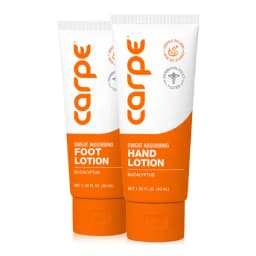
- Aluminium sesquichlorohydrate — Used in some specialty products (like hand antiperspirant lotions). Moderate strength.
- Aluminium chloride hexahydrate — Found in prescription-strength products (12-20% concentration). The most effective aluminium compound, but also the most likely to cause skin irritation.
Regular vs. Clinical vs. Prescription Strength
| Category | Active Ingredient | Typical Concentration | Best For |
|---|---|---|---|
| Regular | Aluminium chlorohydrate | Up to 15% | Mild sweating |
| Clinical | Aluminium zirconium | 15-20% | Moderate sweating |
| Prescription | Aluminium chloride hexahydrate | 12-20% | Severe sweating / hyperhidrosis |
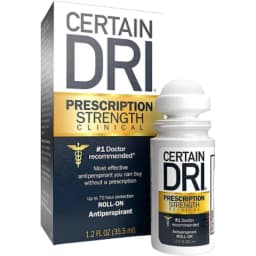
For people with hyperhidrosis, regular-strength antiperspirants are usually insufficient. Start with clinical-strength OTC products and move to prescription-strength if needed. A good, cheap first step is a 15% aluminium chloride roll-on — read our full Certain Dri review — and our best antiperspirants guide reviews the most effective options across every price point.
Application Matters More Than You Think
Most people apply antiperspirant wrong. Proper application can dramatically improve effectiveness:
Apply at Night
This is the single most important application tip. Antiperspirant works best when applied to clean, dry skin at bedtime:
- At night, your sweat glands are less active
- The aluminium has time (6-8 hours) to form effective plugs without being washed away by sweat
- By morning, the plugs are in place and withstand showering, exercise, and normal activity
Applying in the morning, when glands are more active, means the aluminium gets washed out of the ducts before it can form plugs. This is the number one reason people say "antiperspirant does not work for me."
Ensure Skin Is Completely Dry
Any moisture on the skin surface interferes with plug formation. After showering, dry the area thoroughly and wait a few minutes. Some dermatologists recommend using a hairdryer (on cool) to ensure the skin is completely dry before application.
Do Not Over-Apply
A thin, even layer is more effective than a thick glob. Over-application can cause irritation without improving effectiveness.
Combination Products and Layering
Antiperspirant/Deodorant Combos
Most products on store shelves are combination antiperspirant/deodorants — they contain aluminium for sweat reduction plus fragrances and antibacterial agents for odour control. These are convenient for mild to moderate sweating.
The Layering Strategy for Hyperhidrosis
For more severe sweating, dermatologists often recommend a layering approach:
- Night: Apply clinical or prescription-strength antiperspirant to clean, dry skin
- Morning: Shower normally (the antiperspirant plugs remain in the ducts)
- Morning: Apply a separate deodorant (or a milder antiperspirant/deodorant combo) for fragrance and additional odour protection
- Midday: Touch up with antiperspirant wipes if needed
This approach gives you maximum sweat blocking from the nighttime application plus ongoing freshness from the morning deodorant.
Safety Concerns Addressed
Aluminium and Breast Cancer
The claim that aluminium in antiperspirants causes breast cancer has been widely studied and consistently debunked. Major medical organizations — including the American Cancer Society, the National Cancer Institute, and the FDA — have concluded that there is no convincing evidence linking antiperspirant use to breast cancer risk.
The original concern was based on the observation that most breast cancers develop in the upper outer quadrant, near the armpit. However, research has shown this is simply because that area contains the most breast tissue, not because of antiperspirant proximity.
Aluminium and Alzheimer's Disease
Similarly, the hypothesized link between aluminium exposure and Alzheimer's disease has not been supported by scientific evidence. The Alzheimer's Association states that "studies have failed to confirm any role for aluminium in causing Alzheimer's."
The amount of aluminium absorbed through the skin from antiperspirant is minuscule — estimated at 0.012% of the applied dose — compared to the aluminium naturally present in food and water.
Blocking Sweat Glands
Some people worry that blocking sweat glands is harmful because it prevents the body from "detoxifying." This is a myth. Your underarms contain less than 2% of your total sweat glands. Blocking them with antiperspirant does not impair thermoregulation or toxin removal (which is primarily handled by your liver and kidneys, not your sweat glands).
Natural Deodorants: An Honest Assessment
The natural deodorant market has exploded in recent years, driven by concerns about aluminium (addressed above) and consumer preference for "clean" products. For people with hyperhidrosis, here is an honest assessment:
What natural deodorants can do:
- Control odour through natural antibacterial agents and fragrances
- Absorb small amounts of moisture through ingredients like baking soda, arrowroot, or charcoal
What natural deodorants cannot do:
- Reduce the amount of sweat your glands produce
- Provide the sweat-blocking effect of aluminium compounds
- Manage moderate to severe hyperhidrosis
If you have mild sweating and your primary concern is odour, a natural deodorant may work for you. If you have hyperhidrosis and need actual sweat reduction, you need an aluminium-based antiperspirant.
The same logic applies to the whole body deodorant brands now advertising heavily, which are deodorants sold for use beyond the underarms rather than sweat treatments. Our Mando review works through where that category does and does not help.
Sources
- Benohanian A. Antiperspirants and deodorants. Clinics in Dermatology. 2001;19(4):398-405.
- Zirwas MJ, Moennich J. Antiperspirant and deodorant allergy: diagnosis and management. Journal of Clinical and Aesthetic Dermatology. 2008;1(3):38-43.
- American Cancer Society. Antiperspirants and Breast Cancer Risk. cancer.org. 2024.
- International Hyperhidrosis Society. Antiperspirant Basics. SweatHelp.org.
- Nawrocki S, Cha J. The etiology, diagnosis, and management of hyperhidrosis: A comprehensive review. Journal of the American Academy of Dermatology. 2019;81(3):657-666.